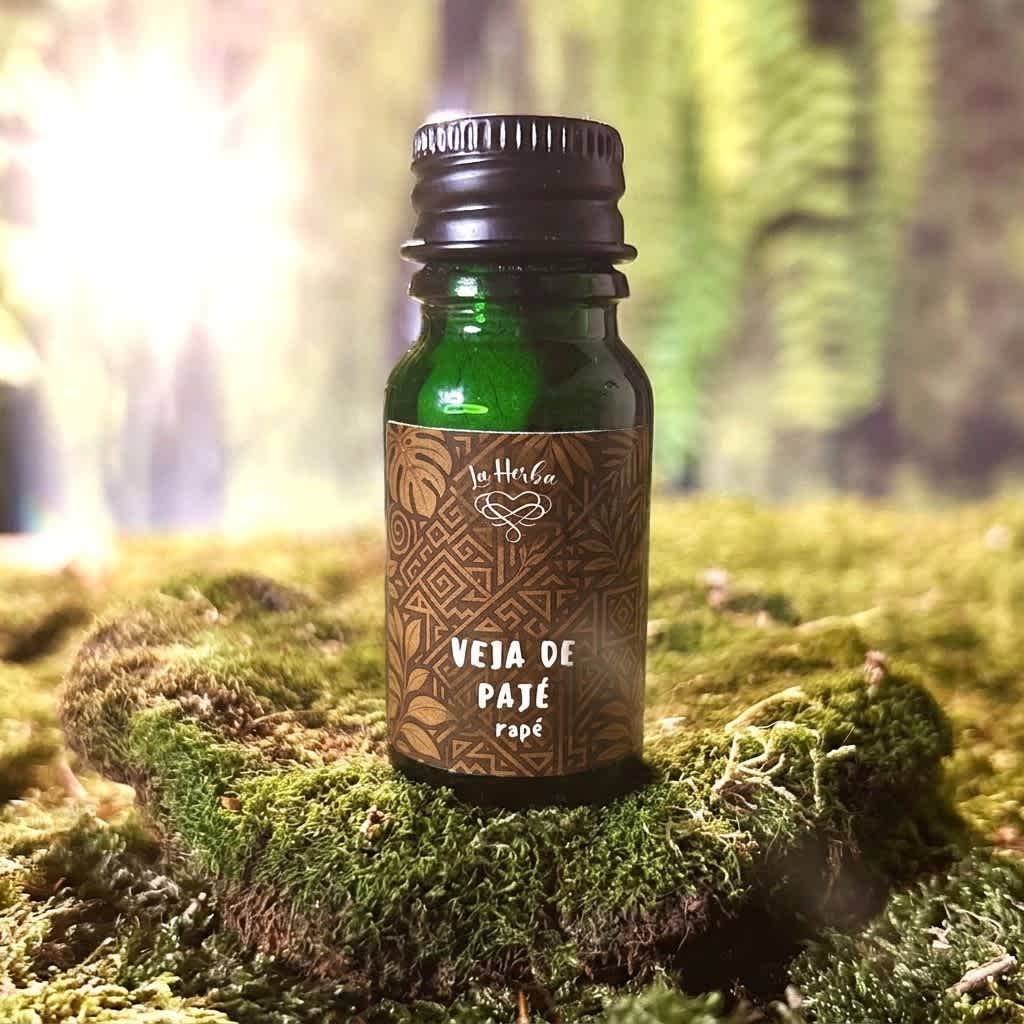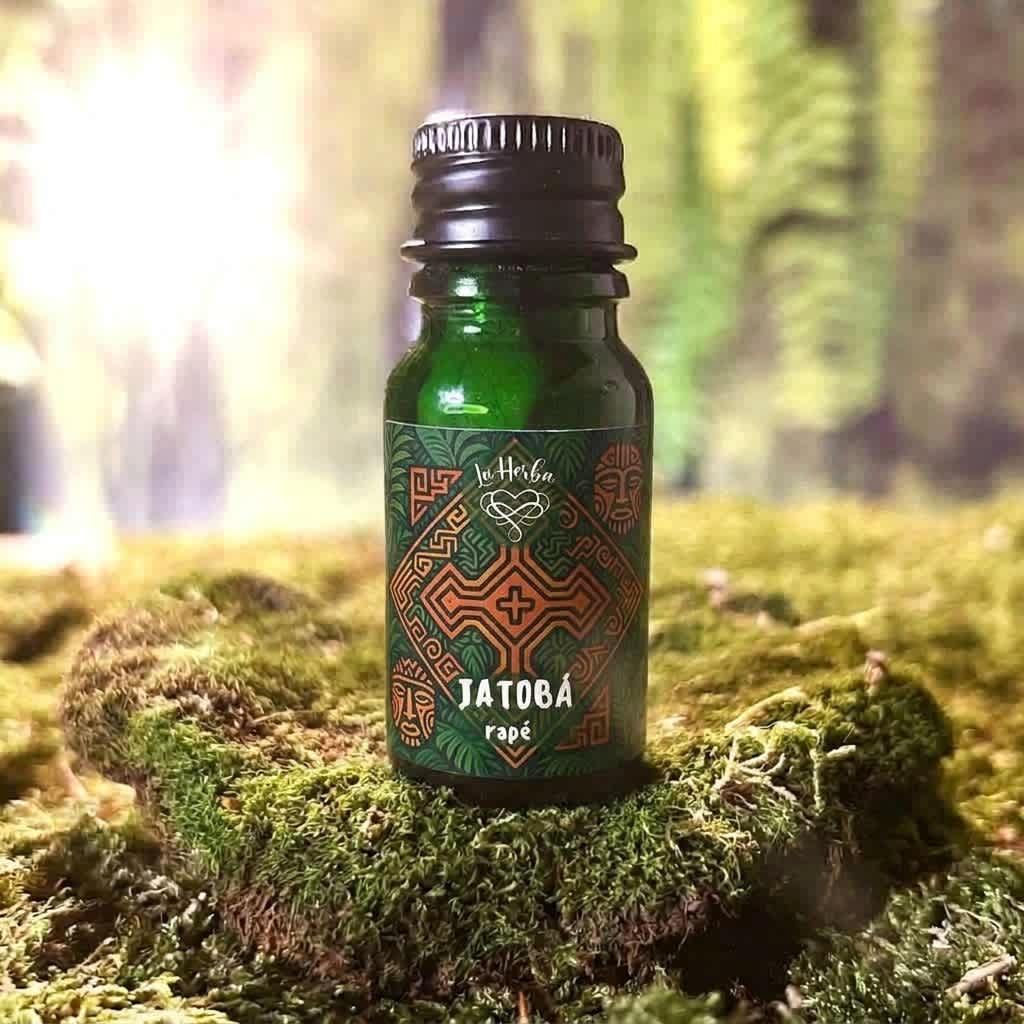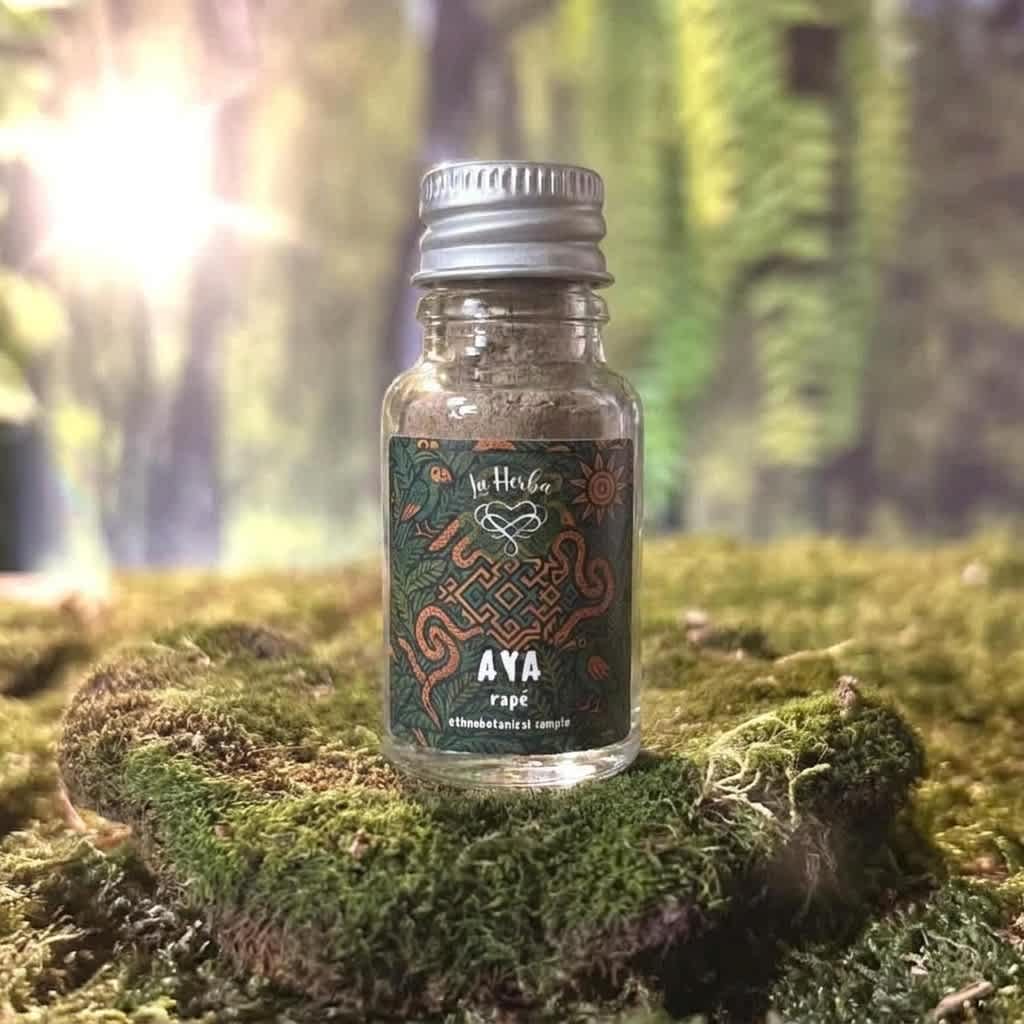
Ethereal · ceremonial
Rapé Aya
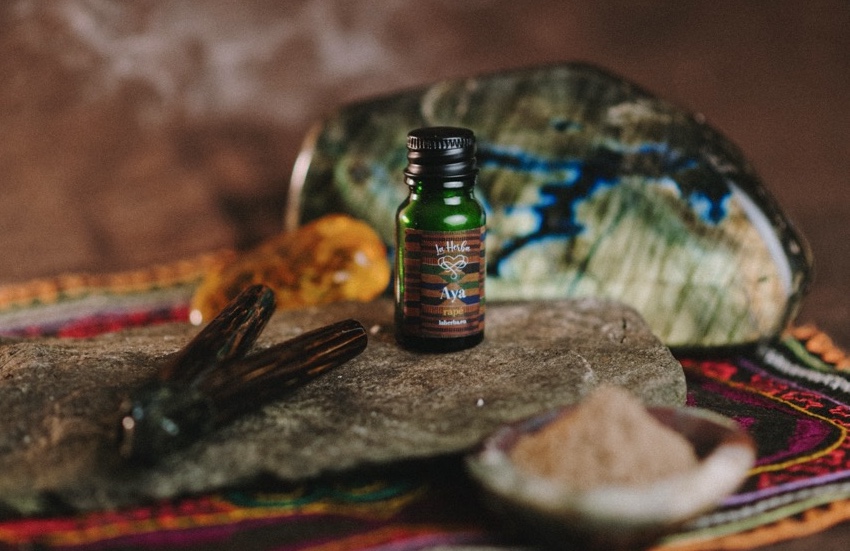
A gentle ceremonial blend from the ash of a sacred liana. In the tradition it is associated with deep inner work, a quieted mind and an open heart.
View product
Přihlášení
Registrací získáte několik výhod jako jako uživatelský profil pro pohodlnější nakupování, sleva 5 % na nákupy v e-shopu a novinky přímo do e-mailu.
Nápověda: Na objednávku nepotřebujete účet. Vytvořit účet .
Zapomněli jste heslo? Můžete si jej obnovit.
0 ks | 0 Kč
Nákupní košík je prázdný.
Indigenous peoples of the Amazon
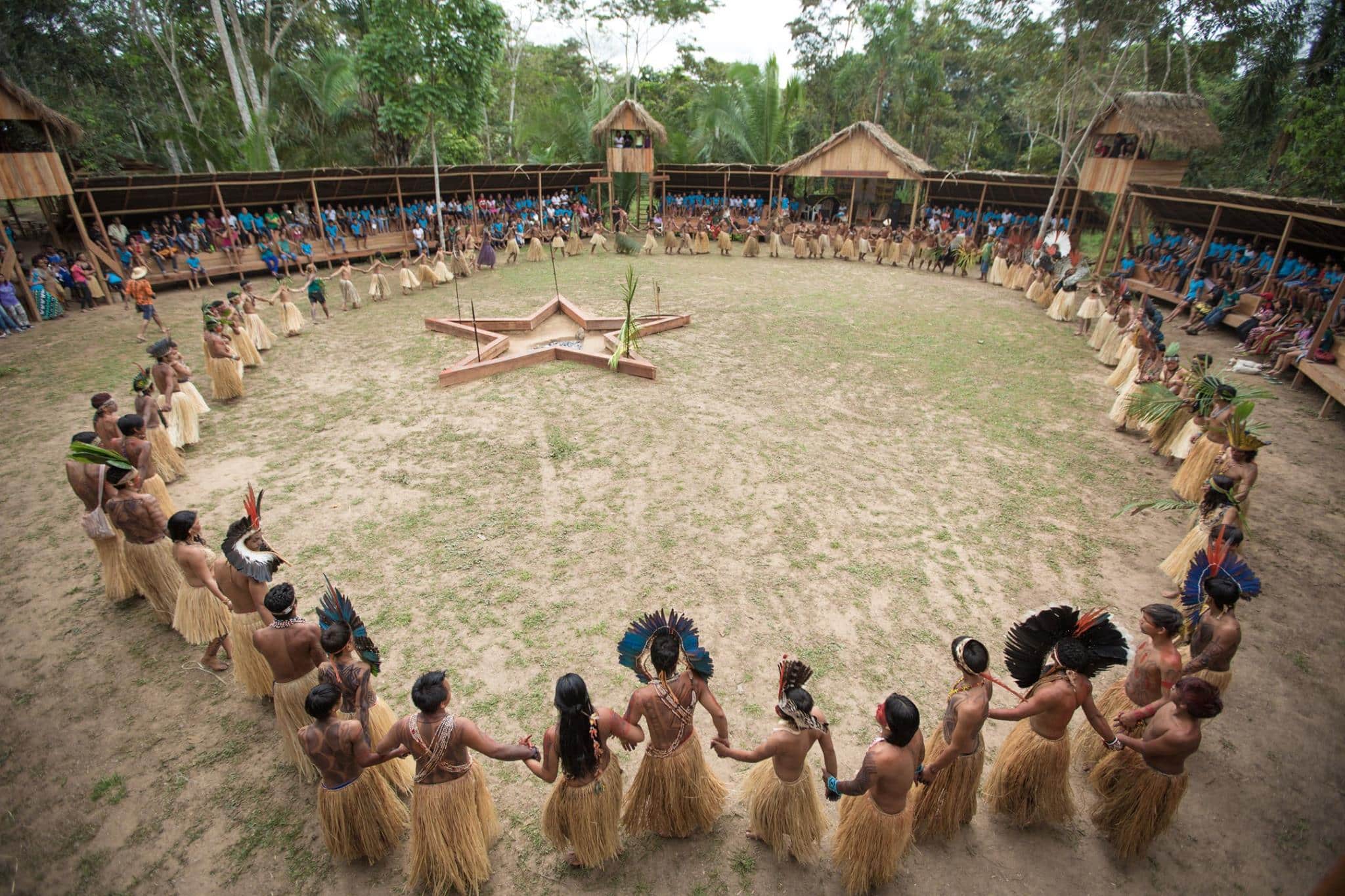
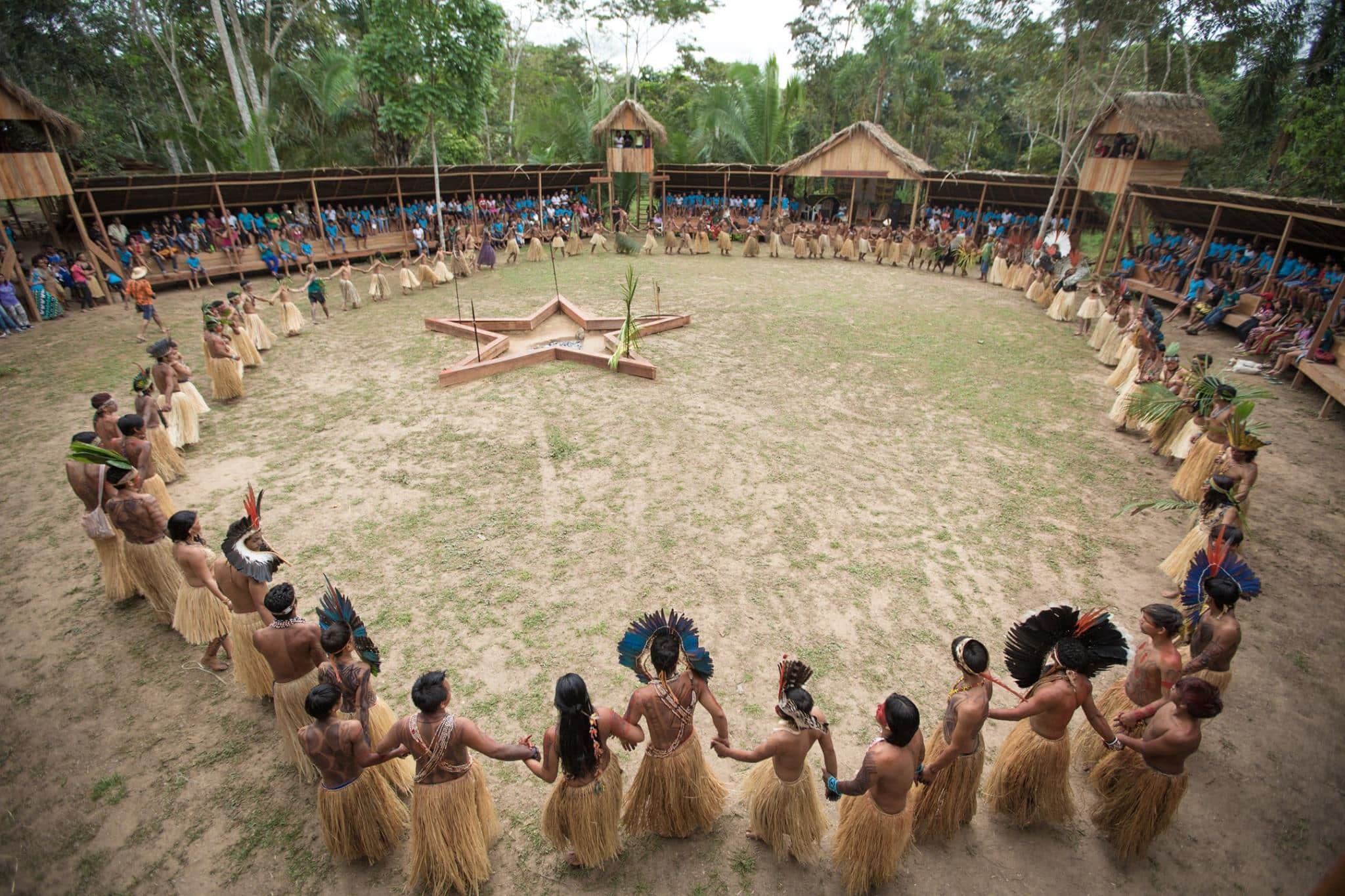
The Kuntanawa nearly vanished from the map of the Amazon. From whole villages only a single family remained – and from it a community is growing again, renewing its language, rituals and bond with the forest.
The Kuntanawa live on the western edge of the Brazilian state of Acre, in the upper Juruá region near the border with Peru. In the late 19th and early 20th centuries they were nearly exterminated by armed groups seeking to establish rubber plantations on their lands.
Today the Kuntanawa are among the most active voices in Acre for protecting the rainforest, and some of our favorite Rapé blends come from them.
In this article
History
The Kuntanawa have inhabited the Amazon region for centuries, but their history is marked by encounters with colonizers and the exploitation of natural resources.
During the first rubber boom, rubber tappers came into Kuntanawa territory. Dozens of villages, through captivity, enslavement and extermination, shrank to a single one.
According to the community, the Kuntanawa suffered a genocide in 1911, witnessed by the grandparents of today’s leaders.
The only surviving descendants are members of a large family known in the Upper Juruá as the “Milton caboclos” (in Acre, “caboclo” is a synonym for indigenous), named after their patriarch Milton Gomes da Conceição. For a long time they were not recognized as an indigenous people and worked for the rubber “bosses”.
They broke free of dependence on the rubber estate owners only after the Alto Juruá Extractive Reserve was created.
The Kuntanawa have fought for recognition of their own territory for almost 25 years. Terra Indígena Kuntanawa is currently at the study stage, and the community also seeks redress for the wrongs done to it.
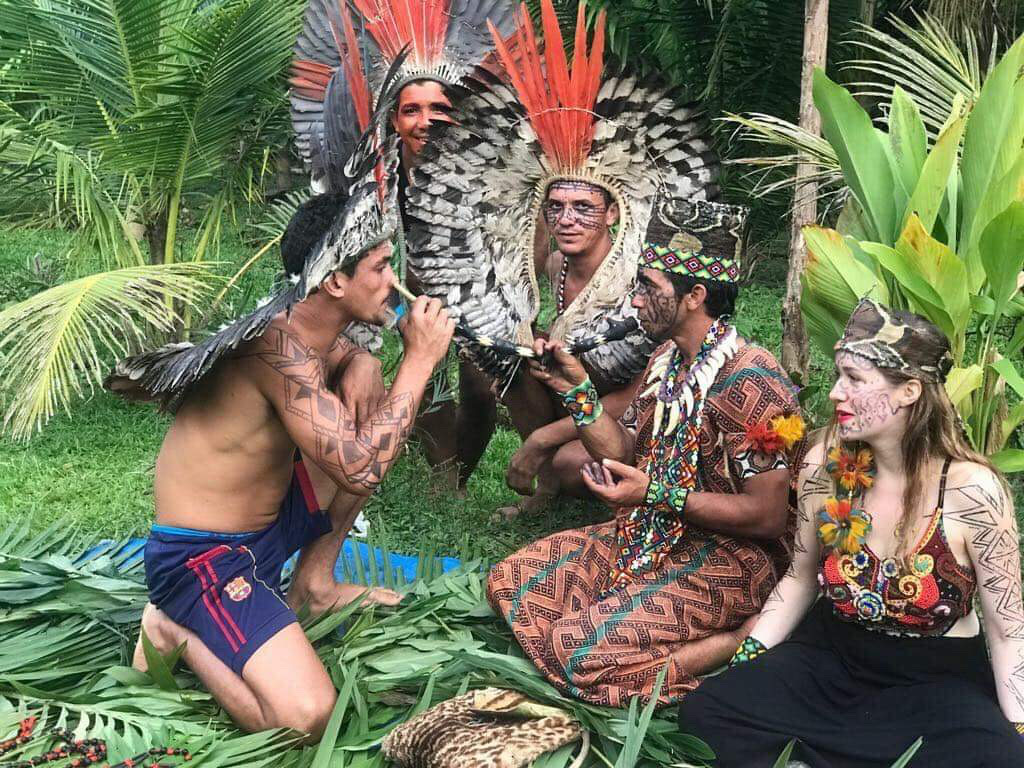
Today the tribe is striving to revive the way of life of its ancestors – protecting the Alto Juruá Extractive Reserve, strengthening relationships with other indigenous communities of the region, restoring rituals with the ancestral drink ayahuasca and, above all, preserving the Amazonian territory.
Identity
In Pano languages such as Hãtxa Kuin, the language of the Huni Kuin, kunta is the fruit of the cocão palm (Attalea phalerata). Kuntanawa therefore means “people of the cocão palm”. In the past they also called themselves Kontanawa.
The Kuntanawa belong to the Pano peoples, but their native language is no longer in use – everyone speaks Portuguese, some also Spanish. They are rebuilding it from the fragments remembered by the matriarch, Mrs. Mariana, and in cooperation with the Huni Kuin and Yawanawá.
Home
Acre
Brazil
Marechal Thaumaturgo
municipality
Tejo
upper Juruá
~400
people (2008)
The Kuntanawa live on the banks of the upper Tejo river within the Alto Juruá Extractive Reserve, in the municipality of Marechal Thaumaturgo on the western edge of Acre. Like other Amazonian peoples they live in small villages, the best known being Sete Estrelas.
While their numbers fell below two hundred in the mid-20th century, by 2008 the community had about 400 members.
Society
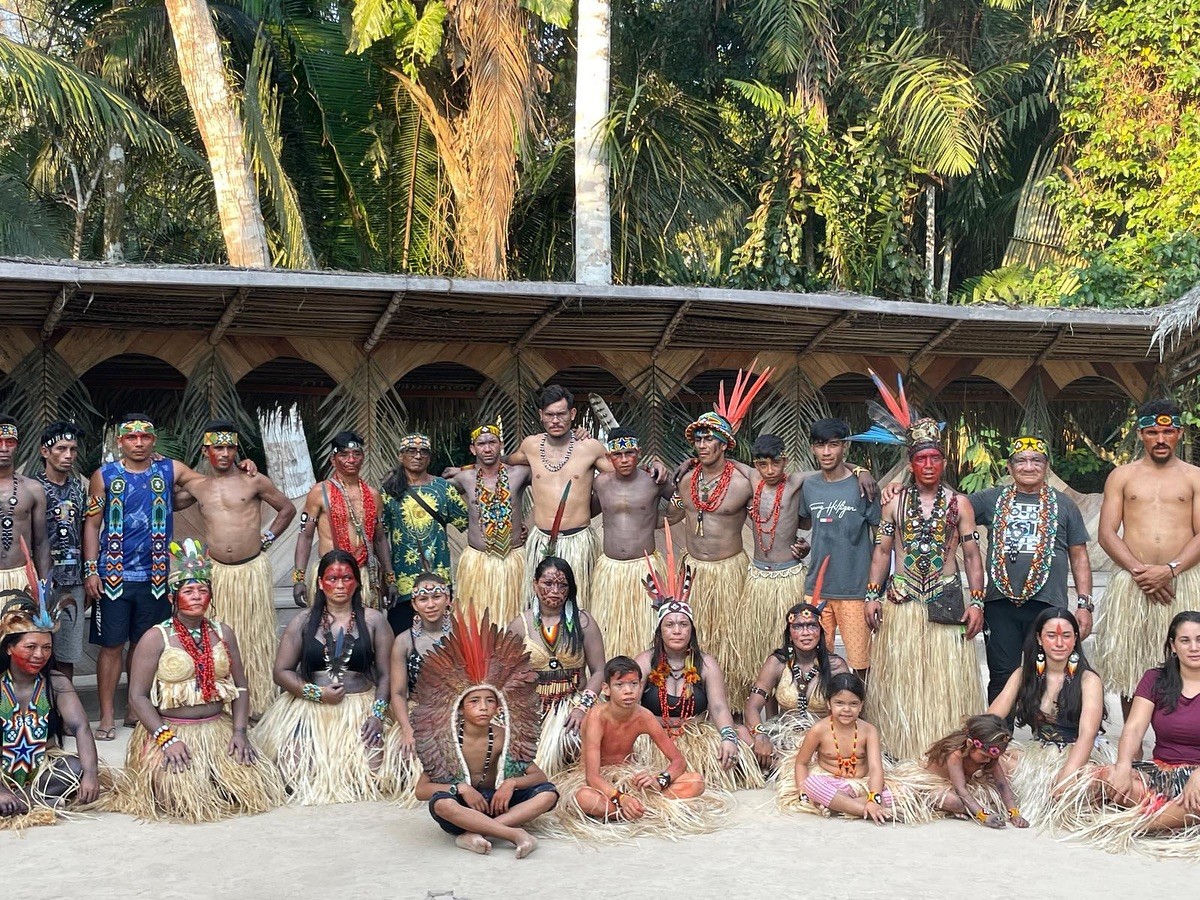
The social structure of the Kuntanawa is based on community, family bonds and cooperation.
Important decisions are made at tribal assemblies, where issues affecting the whole community are discussed. Elders hold a significant position and play a key role in passing down knowledge and traditions.
The Kuntanawa have vast knowledge of the plants of the forest. It is passed down from generation to generation and is part of the community’s rituals and ceremonies. Music is also part of their cultural renewal – leader Haru Kuntanawa has released several albums and organized several festivals of indigenous peoples.
Mission
According to Haru Kuntanawa, president of the Ascak Association (Social Organization of the Kuntanawa People), the tribe’s primary mission is to protect and preserve the Amazon rainforest, which is fundamental to their livelihood, culture and spiritual beliefs.
“We strive to maintain our traditional way of life, which is deeply connected to the land and its resources. We believe that preserving the forest is essential for the survival of our people and the biodiversity of this region. We will continue working to defend the rights of our people and ensure the sustainability of the forest for future generations. We seek to educate our community about the importance of the forest and actively participate in its protection and preservation. We also collaborate with local and international organizations to promote sustainable development and raise awareness about the significance of the Amazon rainforest.”
Haru Kuntanawa, ASCAK
The Kuntanawa possess vast knowledge of medicinal plants and their use in traditional healing. It has been passed down through generations and remains a crucial aspect of their culture, playing a role in both treating illnesses and performing rituals and ceremonies.
Leader
In the village of Kuntamanã lives the leader and Pajé Haru Kuntanawa, who is helping his tribe get back on its feet and gain full ethnic recognition.
During Brazil’s rubber boom the tribe nearly disappeared, losing many of its traditions and its tribal language. With the help of the sacred spirit of the rainforest, the tribe is reawakening and remembering. As Pajé Haru himself says: “I believe that through the plants of power and their guidance, the Kuntanawa people will rediscover their ancient knowledge and remember their lost customs.”
Haru created the “Kunta” project, centered on the village of Kuntamanã, which also serves as a meeting place for tribes such as the Yawanawá, Poyanawa, Kaxinawá, Jaminawa and Deadawa. He strives to create sustainable projects in the village – crafts, a living pharmacy, reforestation, fish farming and other initiatives that bring cultural, environmental, social and economic value. Above all, the tribes share knowledge and remember ancient teachings lost between words.
Medicine
Some of our Rapé blends are made by the Kuntanawa. They prepare Rapé with prayer and respect for the plant spirits, and their blends are known for strength, purity and depth – from grounding to ceremonial.
That is why we decided to share the Rapé of the Kuntanawa, which holds such a special and deep connection with this shamanic path of remembering. Read more in the guide What is Rapé.
These are traditional and symbolic associations, not guaranteed effects.

Haux e muita alegria!
FAQ
In the Brazilian state of Acre, on the banks of the Tejo river in the Alto Juruá reserve, in the municipality of Marechal Thaumaturgo near the border with Peru.
“People of the cocão palm” – kunta is the fruit of the cocão palm (Attalea phalerata) and nawa means people.
Today Portuguese. Their native Pano language is no longer in use, but the community is rebuilding it from fragments remembered by the matriarch Mariana, together with the Huni Kuin and Yawanawá.
About 400 according to 2008 data. In the mid-20th century there were fewer than two hundred.
A leader and Pajé of the Kuntanawa, president of the ASCAK association, musician and founder of the Kunta project in the village of Kuntamanã.
Rapé Aya, Rapé Veia de Pajé, Rapé Jatobá, Rapé Anador, Rapé Samaumá and Rapé Sananga.
Write to us and we will help you choose.
Contact La HerbaHaux e muita alegria!
Základy
Sananga je tradiční amazonská substance připravovaná macerací kořenů rostlin z čeledi Apocynaceae. Pochází z ...

„Jsme jako pekariové – vždy spolu.“ Takto popisují svou identitu Yawanawá, lid z břehů řeky Gregório v brazilském Acre, který získal zpět svou půdu a rozpoutal kulturní obrodu, jež dnes ...

O tradičním způsobu indiánského vzdělávání, které děti opětovně propojuje s přírodou a moudrostí předků. Jedním z největších traumat dnešní doby je odpojení se od sebe sama a neznalos...

Vnější svět je zná jako Katukina. Oni sami se nazývají Noke Koi – „praví lidé“. Národ, který si navzdory více než stoletému tlaku zvenčí uchoval jazyk, klany i tradiční medicíny.
Na pomez...