
Katukina tradition · snake
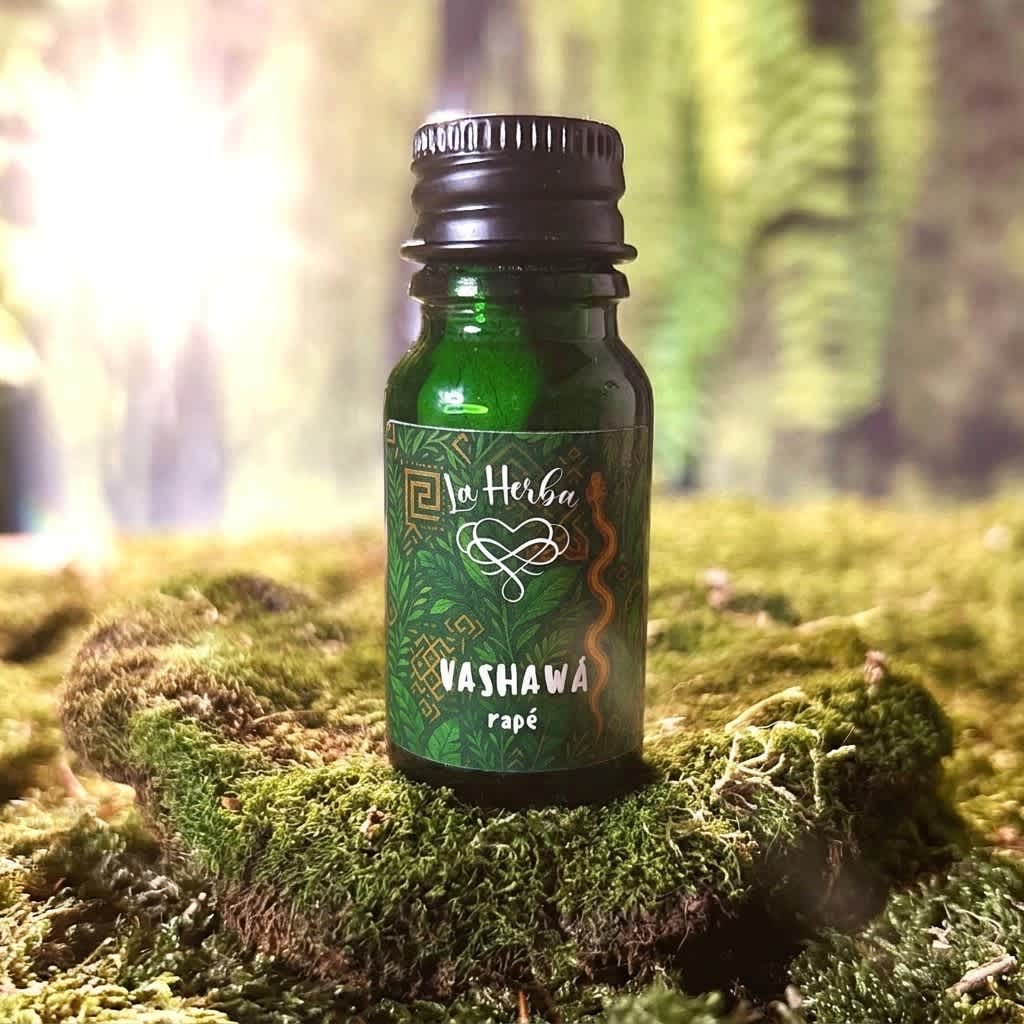
Rapé Vashawá
A strong ceremonial Rapé of the sacred snake. In the tradition it is associated with awakening, introspection and focus on the present moment.
View product
Přihlášení
Registrací získáte několik výhod jako jako uživatelský profil pro pohodlnější nakupování, sleva 5 % na nákupy v e-shopu a novinky přímo do e-mailu.
Nápověda: Na objednávku nepotřebujete účet. Vytvořit účet .
Zapomněli jste heslo? Můžete si jej obnovit.
0 ks | 0 Kč
Nákupní košík je prázdný.
Indigenous peoples of the Amazon
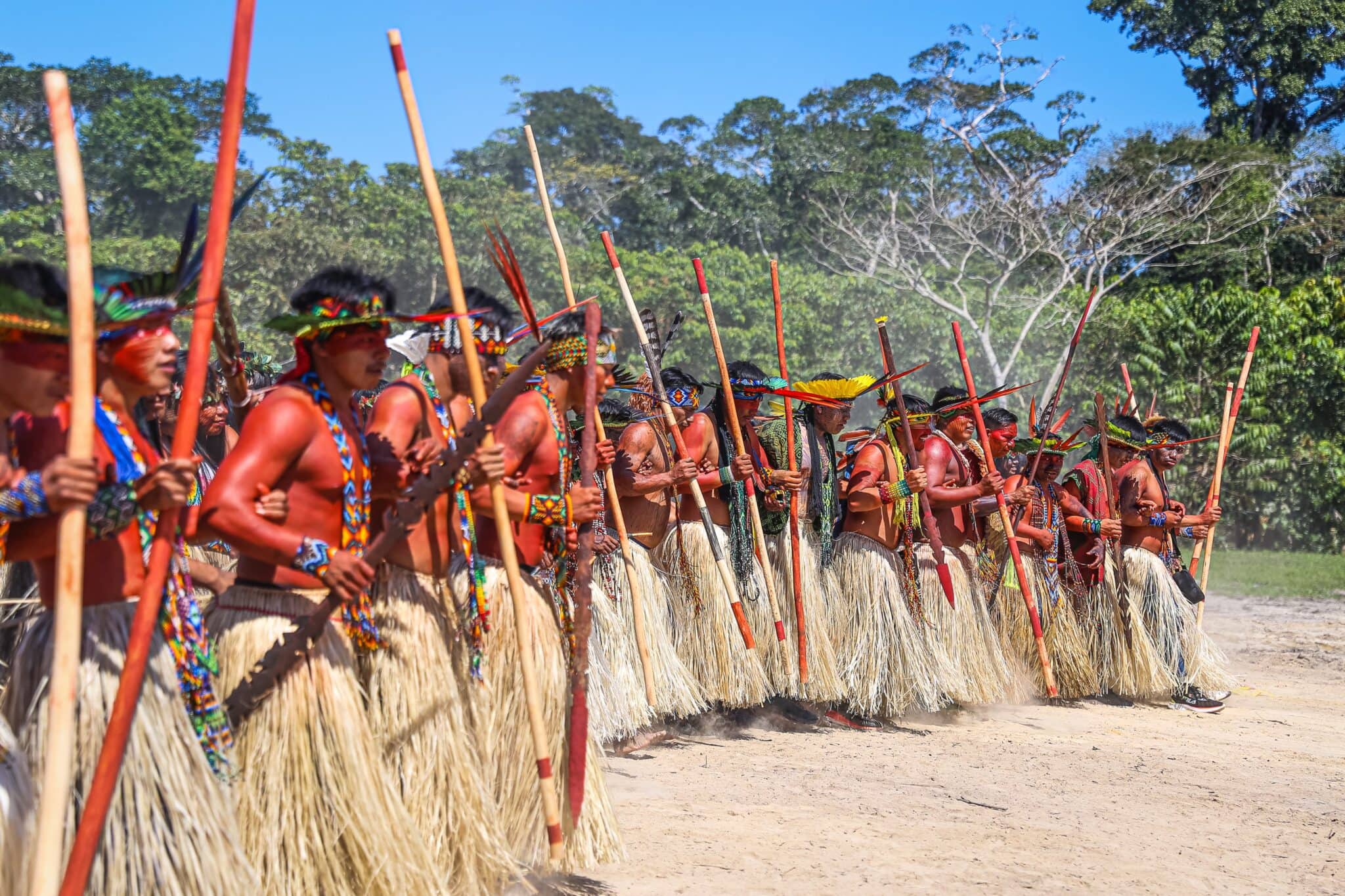
The outside world knows them as Katukina. They call themselves Noke Koi – “true people”. Despite more than a century of outside pressure, they have preserved their language, their clans and their traditional medicines.
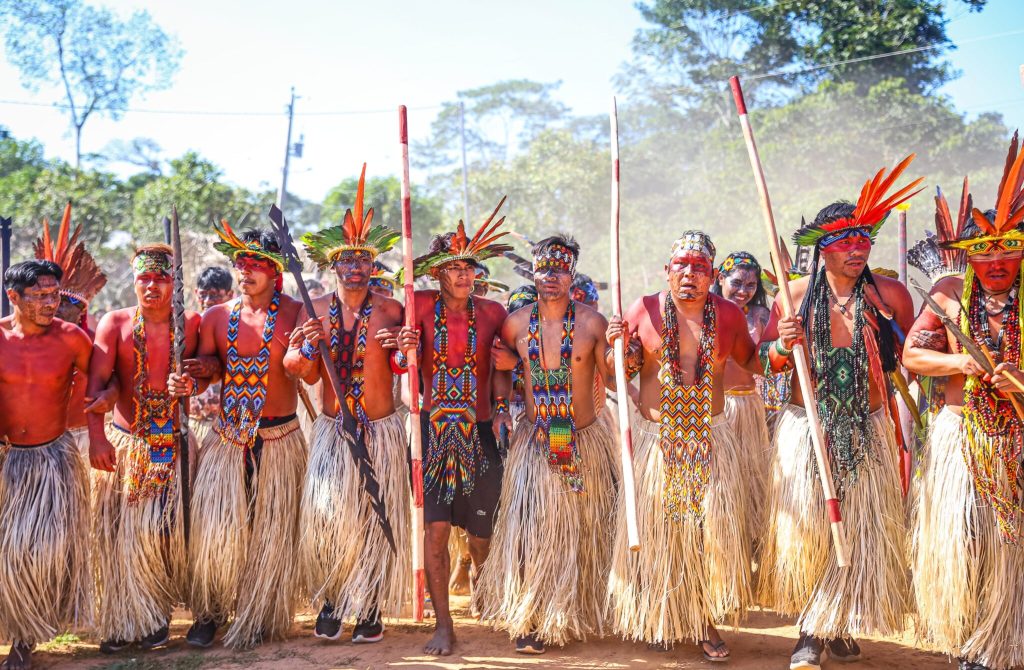
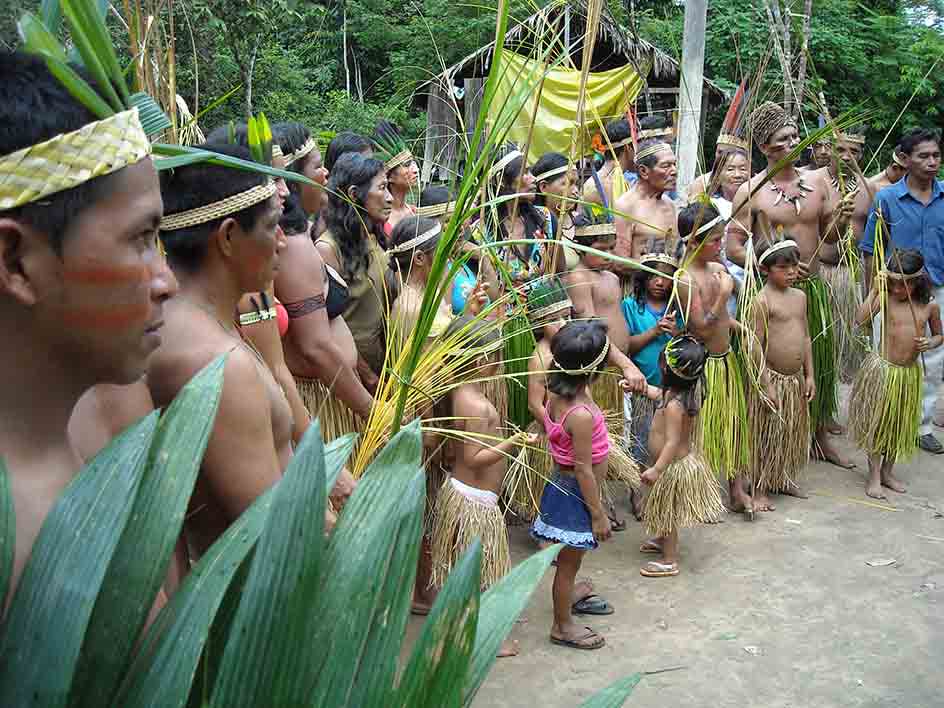
On the border of the Brazilian states of Acre and Amazonas, along the Campinas and Gregório rivers, lives an indigenous nation known to the outside world as the Katukina. They themselves never used this name – in their own words, it is a label “given by the government”. Many prefer the name Noke Koi, meaning “true people” in their own language.
This tension between an imposed name and a lived identity captures their story well: a nation that endured violence and displacement, yet preserved its language, social structure and traditional medicine.
In this article
Identity
Noke Koi
own name: true people
Acre + Amazonas
Brazil
Campinas
and Gregório rivers
Pano
language family
The term “Katukina” was used from the first half of the 19th century by missionaries, travellers and government agents – rather loosely, for several linguistically unrelated groups in the Juruá river region. Today the name refers to three groups: one from the Katukina linguistic family near the Jutaí river, and two from the Pano family in Acre. The nation described here belongs to the latter.
Society
The real identity of the Noke Koi rests not on the external name but on the six clans into which they divide.
People of the Sun
People of the Jaguar
People of the Otter
People of the Peach Palm
People of the Sky
People of the Dove
These clan names reflect a deep bond with the forest and its cosmology.
Lost brothers: the Marúbo
Most of the clan names are identical to the names of subgroups of the Marúbo people from the Javari river basin. When members of the two groups met by chance in the port of Cruzeiro do Sul in the 1990s, they discovered that they spoke similar languages and shared the same clan names. The Noke Koi today believe that they and the Marúbo once formed a single people in the distant past.
Language
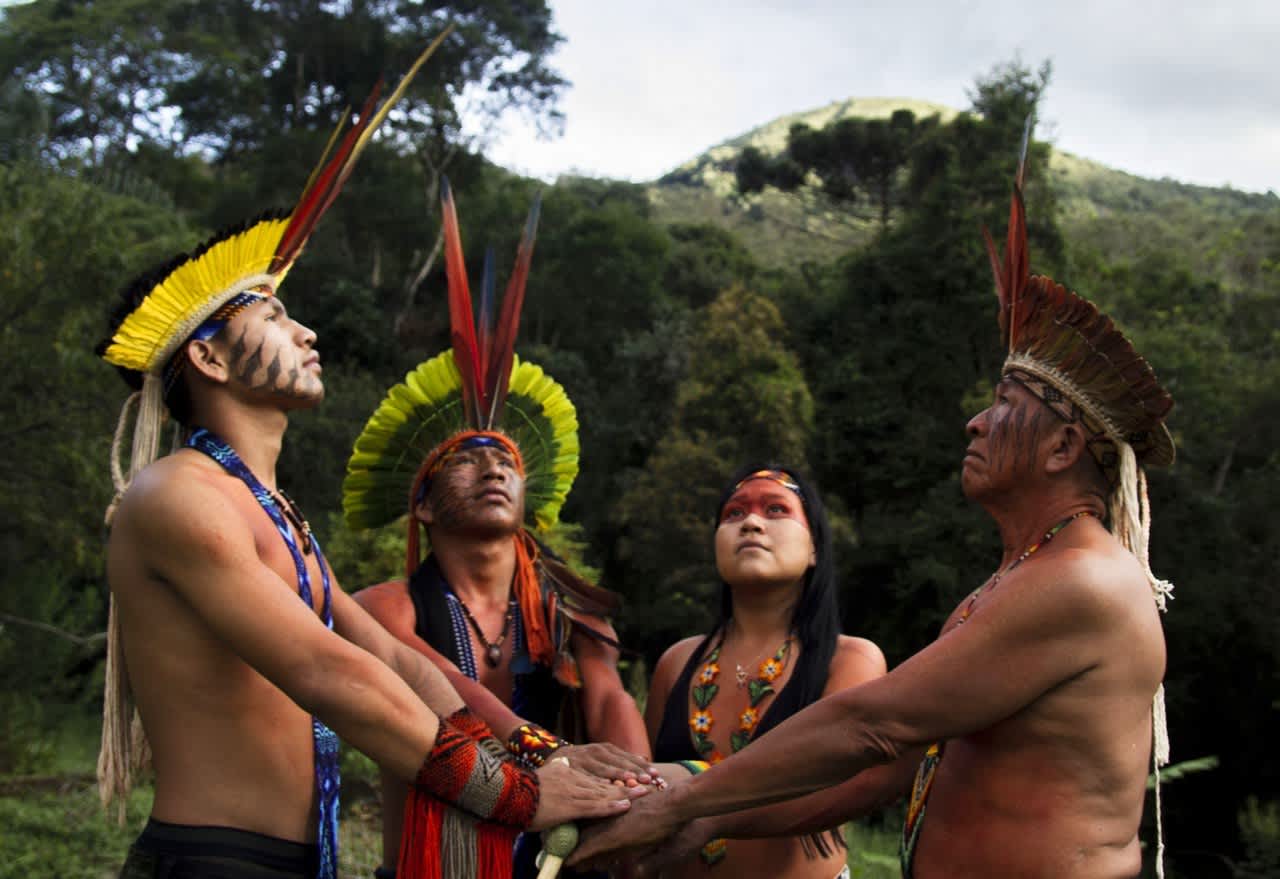
The Noke Koi language belongs to the Pano family and is marked by strong nasalization. New words are formed by combining existing ones or adding suffixes, and personal pronouns make no distinction of gender.
What stands out is how well the language has survived. While most Pano nations have lost much of their language, the Noke Koi are the opposite – even though one of their villages sits directly beside the BR-364 highway near the town of Cruzeiro do Sul. Among themselves they speak only their own language; Portuguese is reserved for outsiders. Children begin learning it only around the age of seven or eight, and many women and elders speak almost none. Less than half the population is fluent in Portuguese – in the Amazonian context, a remarkable testament to cultural resilience.
History
The rubber boom swept the upper Juruá. Their territory, rich in rubber trees, was quickly occupied by Brazilian and Peruvian extractors, followed by the so-called correrias – armed raids intended to drive out or exterminate the indigenous population.
The Noke Koi scattered through the forest. They could not even plant their own gardens, which would have left a trail leading straight to them, and survived on hunting and gathering.
When the worst period ended, they had little choice but to work in the rubber industry themselves, dispersed across different extraction zones. Memories of flight, violence and separation are still passed down in families today.
In the mid-1980s they gained legal guarantees to their land, finally breaking their dependence on the rubber bosses. Today they inhabit two territories: one on the Gregório river, shared with the related Yawanawá, and one on the Campinas river.
The present is not free of threats either: their lands face repeated incursions by illegal loggers. Read more in our article on the Yawanawá.

Medicines
The Noke Koi are among the nations with the deepest knowledge of medicinal plants in the Brazilian Amazon.
Their best-known contribution to the world: a sacred snuff of tree ash and other plants which, in their tradition, serves to cleanse the mind and body, sharpen concentration and deepen spiritual connection. They were among the first to introduce Rapé to the world beyond their community, and their blends are valued for strength and authenticity.
A medicine derived from the secretion of the Phyllomedusa bicolor frog. The Noke Koi consider themselves the first nation to receive Kambô directly from the frog, and they are widely recognized as masters of this practice. Read more in our article on Kambo.
Sananga and ayahuasca are also traditionally prepared within the community. Read more in the Sananga guide.
Importantly, these medicines are not a “product” for the Noke Koi – they are part of a living spiritual and healing tradition they have chosen to share. Each family brings its own perspective and experience to the preparation of Rapé, so individual blends carry the signature of particular people, not an anonymous “tribal recipe”.
The name of the blend Rapé Vashawá comes from the Katukina language – vashawá means snake, one of the most sacred animals in Amazonian cosmology.
These are traditional and symbolic associations, not guaranteed effects.

Respect
The story of the Noke Koi is not a romantic tale of an “untouched tribe” – it is the story of a real nation that endured violence, displacement and economic exploitation, and still preserved its language, clan structure and medicinal knowledge.
When we hold Rapé from their hands today, we hold the result of that resilience. Respecting this heritage means knowing the context: where the medicine comes from, who prepared it, and how it reached us.
Direct cooperation with the families and communities who carry the tradition is the only way to ensure that the growing interest in Amazonian medicine benefits, above all, the people to whom this tradition belongs.
FAQ
An indigenous nation of the Pano language family living on the border of the Brazilian states of Acre and Amazonas along the Campinas and Gregório rivers. They call themselves Noke Koi.
“True people” in their own language. “Katukina” is a name given from outside, which they say was “given by the government”.
Six: Varinawa (Sun), Kamanawa (Jaguar), Satanawa (Otter), Waninawa (Peach Palm), Nainawa (Sky) and Numanawa (Dove).
Yes. Among themselves they speak only their own language; Portuguese is reserved for outsiders and less than half of the community is fluent in it.
They consider themselves the first nation to receive Kambô directly from the frog and are widely recognized as masters of the practice.
On the Gregório river they share it with the related Yawanawá.
Find us
Write to us and we will help you choose.
Contact La HerbaHaux e muita alegria!

Rapé je posvátná šamanská medicína, kterou vyrábějí domorodé kmeny Jižní Ameriky, především v Brazílii a Peru. Název se v angličtině vyslovuje „ha-peh“ — s jemným důrazem na druhou slabik...

O tradičním způsobu indiánského vzdělávání, které děti opětovně propojuje s přírodou a moudrostí předků. Jedním z největších traumat dnešní doby je odpojení se od sebe sama a neznalos...

Rapé (hapé) je posvátná amazonská medicína, se kterou pracují domorodé kmeny už stovky let. Na Západě ji vnímáme čím dál více i jako nástroj spojovaný s energetickou prací – symbolickou oči...
Sananga je tradiční amazonský rostlinný přípravek spojovaný především s kořeny a kořenovou kůrou rostlin rodu Tabernaemontana. V různých tradicích západní Amazonie se objevuje v souvislo...

