Classic · grounding
Rapé Tsunu Yawanawá
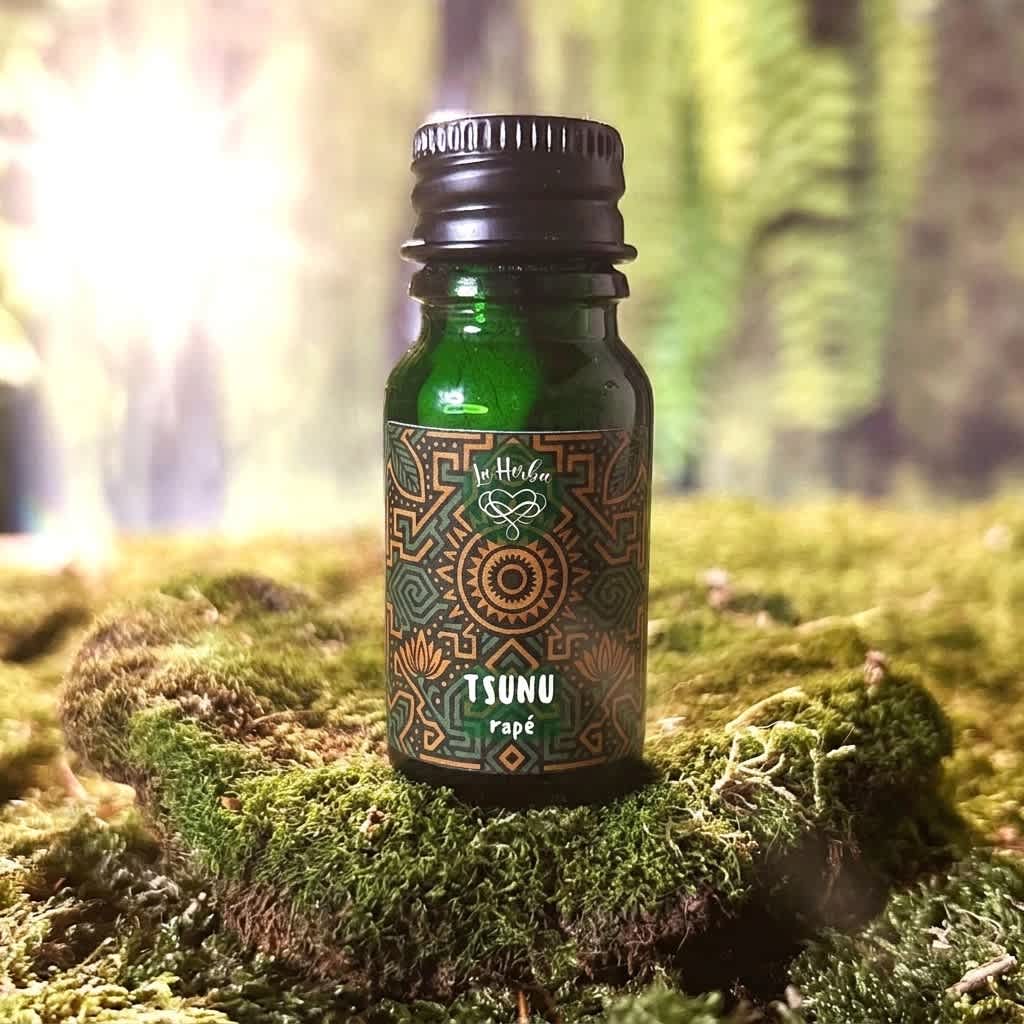
One of the oldest and best-known Yawanawá Rapé blends, made from Tsunu tree ash. In the tradition it is associated with grounding, cleansing and calm.
View product
Přihlášení
Registrací získáte několik výhod jako jako uživatelský profil pro pohodlnější nakupování, sleva 5 % na nákupy v e-shopu a novinky přímo do e-mailu.
Nápověda: Na objednávku nepotřebujete účet. Vytvořit účet .
Zapomněli jste heslo? Můžete si jej obnovit.
0 ks | 0 Kč
Nákupní košík je prázdný.

Indigenous peoples of the Amazon
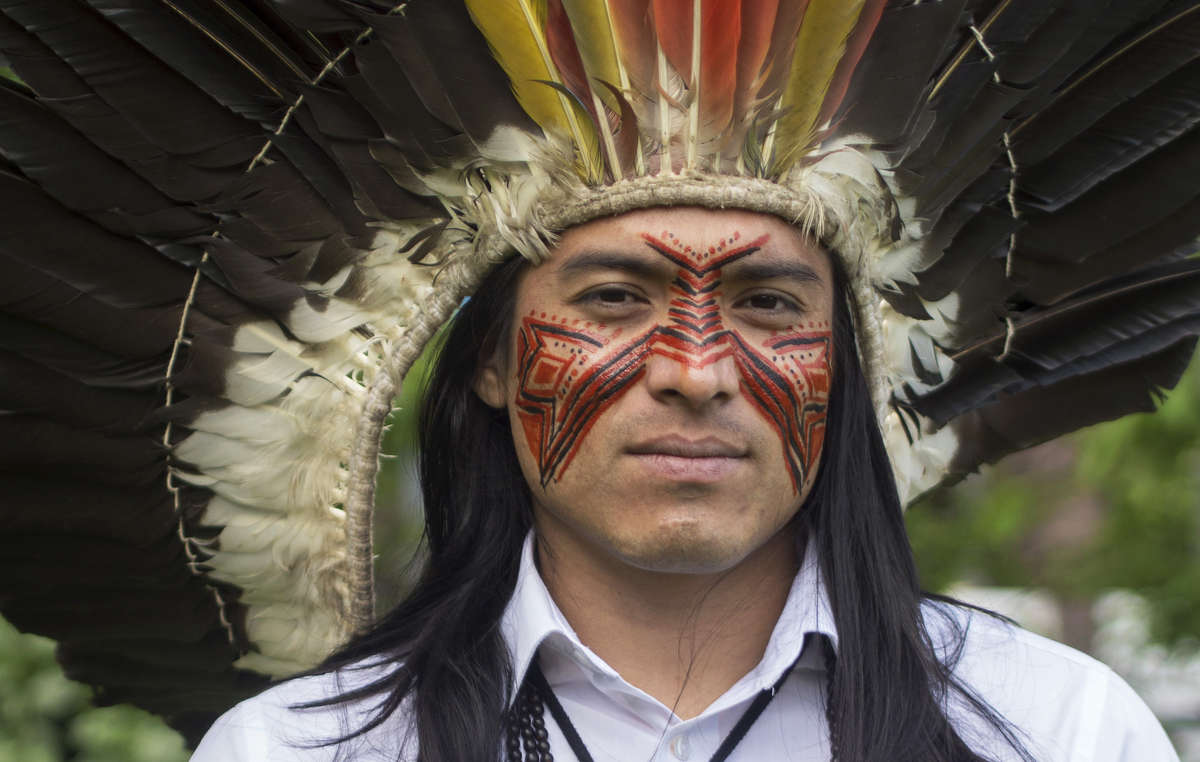
“We are like the peccaries – always together.” This is how the Yawanawá describe their identity – a people from the banks of the Gregório river in Acre, Brazil, who drove out the missionaries, won back their land and started a cultural revival that fascinates the world today.
Since time immemorial the Yawanawá have lived in harmony with nature in the Amazonian region with the greatest biodiversity on the planet. In this rich habitat their ancestors developed vast knowledge of the healing plants of the forest and a worldview of great spiritual wisdom.
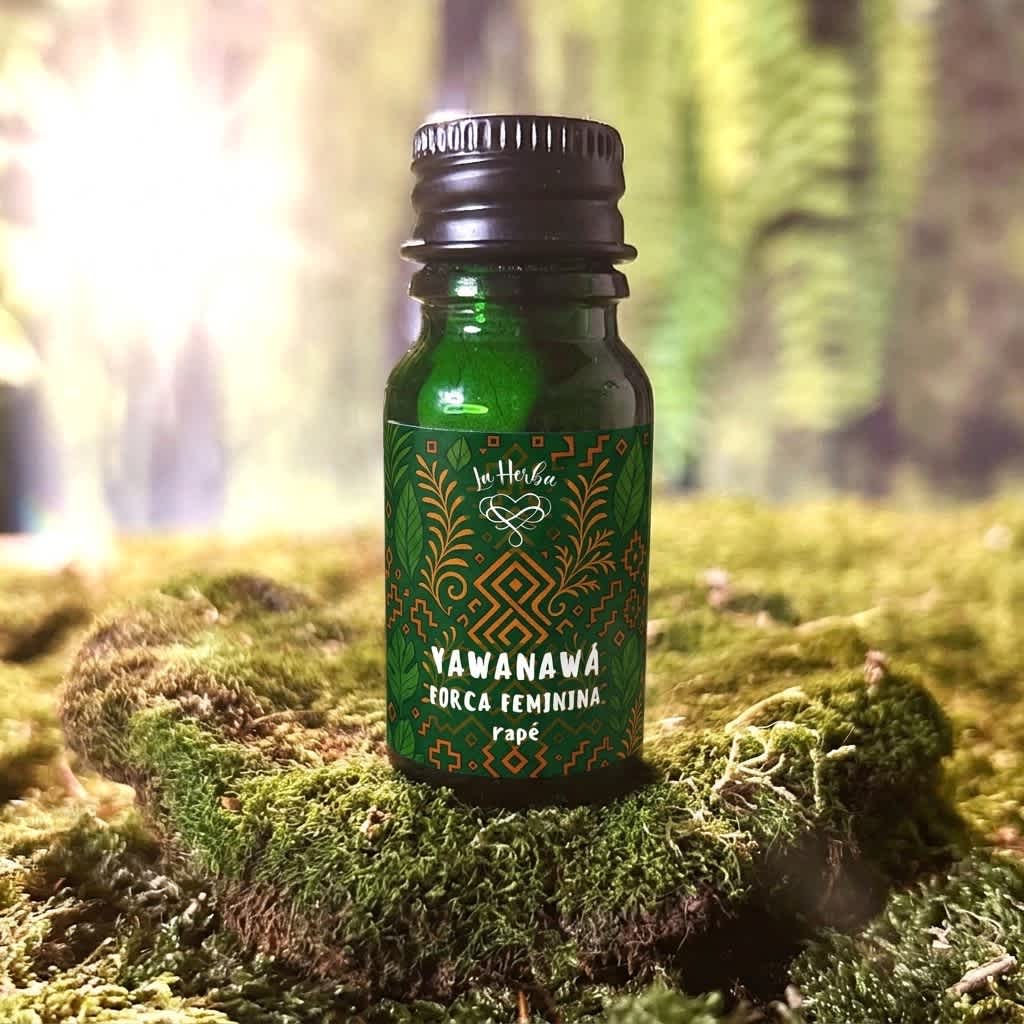
Some of the best-known Rapé blends come from them – including Força Feminina, prepared by the women of the tribe.
In this article
Identity
In the Pano language yawa means white-lipped peccary – an animal similar to a boar – and nawa means people. Peccaries always live in herds, close together, and so they are the symbol of the tribe.
The Yawanawá language belongs to the Pano language family. Most Yawanawá are bilingual and speak Portuguese as well; the elders mainly use the language of their ancestors.
The Yawanawá are often confused with the Yaminawá of Peru and Bolivia. They are a different community with their own history and territory.

Home
Acre
Brazil
92,859 ha
TI Rio Gregório
849
people in Acre (2020)
~1,300
in total, incl. Peru and Bolivia
The Yawanawá live in the indigenous territory of Rio Gregório in the municipality of Tarauacá. It was the very first indigenous territory delimited in the state of Acre – in 1983 and 1984 – and was definitively approved in 1991.
They share the territory with the Katukina (Noke Koi), with whom they are also linked by marriage. The main village is Nova Esperança, founded in 1992. Smaller Yawanawá groups also live in Peru and Bolivia.
Read more about the neighbours in our article on the Katukina (Noke Koi).
History
Contact with the Western world came a little more than a hundred years ago and was violent. The Yawanawá had to work for rubber “bosses” on plantations.
Protestant missionaries later arrived and forbade indigenous culture, rituals and spirituality.
Young leaders in the early 1980s pushed for recognition of the territory, drove out the workers of the company using it and, finally, the missionaries.
Since then the Yawanawá have led a process of cultural and spiritual revival that has crossed the borders of Brazil and today inspires other peoples.
Celebration
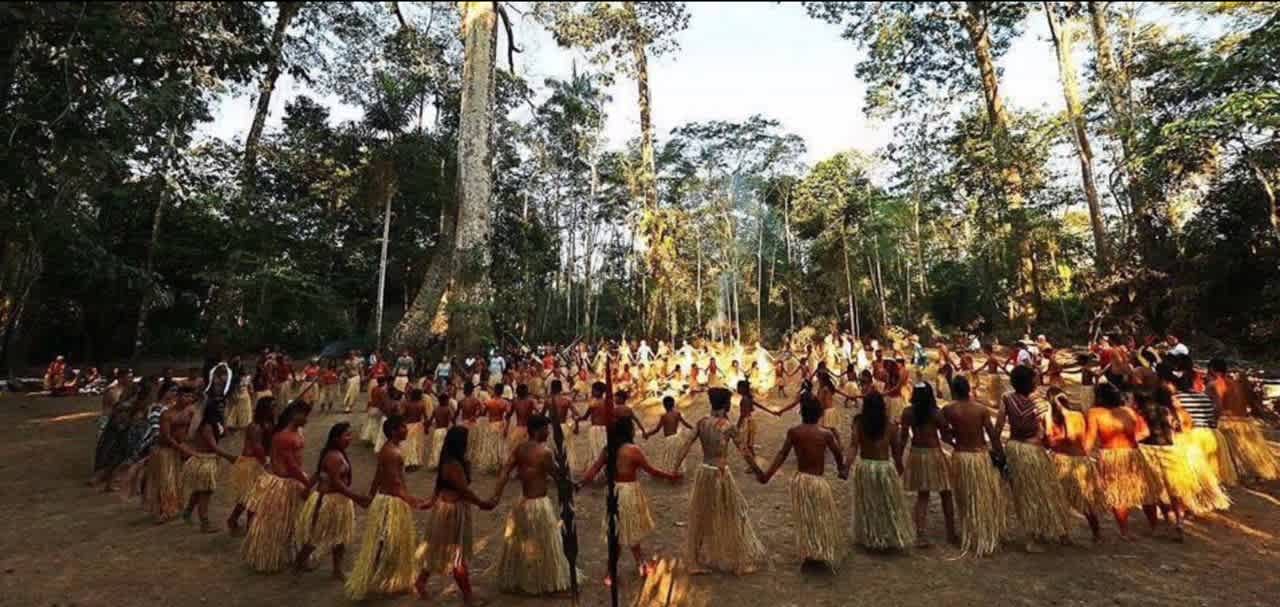
The Yawa Festival, held every year since the early 2000s, plays a key role in the revival.
Its original aim was to restore and strengthen traditional culture, but it quickly attracted worldwide attention and became a model later followed by other Brazilian peoples.
Part of the celebrations is mariri – night dances and songs. The general word for a celebration in the Yawanawá language is saiti.

Shamanism
The Yawanawá were the first tribe in which a woman was initiated as a shaman – around 2006.
Shamans are called xinaya among the Yawanawá. In Amazonian traditions, where this path was long reserved for men, the initiation of the first women was an exceptional moment. Their female power lives on today in the Rapé blend Força Feminina, prepared by the women of the tribe.
FAQ
In the Brazilian state of Acre, in the indigenous territory of Rio Gregório in the municipality of Tarauacá. Smaller groups live in Peru and Bolivia.
“People of the peccary” – yawa is the white-lipped peccary and nawa means people.
About 1,300 in total. According to 2020 data, 849 live in Acre, others in Peru and Bolivia.
Rume. The Yawanawá like to prepare it with the ash of the Tsunu tree.
No. The Yaminawá are a different people from Peru and Bolivia, although the two names are often confused.
The Katukina (Noke Koi).
Medicine
In the Yawanawá language Rapé is called rume. The Yawanawá like to prepare it with the ash of the Tsunu tree, which gives the blend a delicate, sophisticated character.
According to legend, Rapé came to the Yawanawá after the death of the first shaman. Unusual plants grew on his grave, and the wisest man of the village decided they should be dried and pulverized. Later they were used in various ways and were found to have healing properties. This is how, according to tradition, the medicine Rume was born.
These are traditional and symbolic associations, not guaranteed effects.
More Rapé from the Yawanawá
Present
The Yawanawá and their allies are developing a sustainability model that lets them protect their territory and work with the outside world on their own terms.
An example is the cooperation with the cosmetics company Aveda on growing urucum (annatto) – the natural red dye with which the Yawanawá traditionally paint their bodies.
May the Yawanawá prosper and have support from all over the world. Haux e muita alegria!
Video
Write to us and we will help you choose.
Contact La HerbaHaux e muita alegria!

Vnější svět je zná jako Katukina. Oni sami se nazývají Noke Koi – „praví lidé“. Národ, který si navzdory více než stoletému tlaku zvenčí uchoval jazyk, klany i tradiční medicíny.
Na pomez...
Existuje kořen, který nejdřív nic neřekne. Pak se na jazyku objeví jemné mravenčení, které se šíří a překvapí i toho, kdo o něm už slyšel. Tak se v horách střední Mexika setkávají lidé...

Dračí krev je vzácná pryskyřice, která se ručně sbírá ze stromů rostoucích volně v hlubinách peruánského deštného pralesa. Pochází ze stromu Croton lechleri, známého také jako Sangre de D...

Nukini – „lid jaguára“ – patří mezi původní národy brazilského státu Acre. Navzdory těžké historii si zachovali svou identitu, duchovní poznání a vztah k pralesu a jejich Rapé patří k nejc...