Yawanawá · Acre, Brazil
Rapé Mulateiro Yawanawá
Made from the ash of the Mulateiro bark and other Amazonian herbs, prepared by the Yawanawá. In tradition associated with resilience, inner strength and protection.
View product
Přihlášení
Registrací získáte několik výhod jako jako uživatelský profil pro pohodlnější nakupování, sleva 5 % na nákupy v e-shopu a novinky přímo do e-mailu.
Nápověda: Na objednávku nepotřebujete účet. Vytvořit účet .
Zapomněli jste heslo? Můžete si jej obnovit.
0 ks | 0 Kč
Nákupní košík je prázdný.
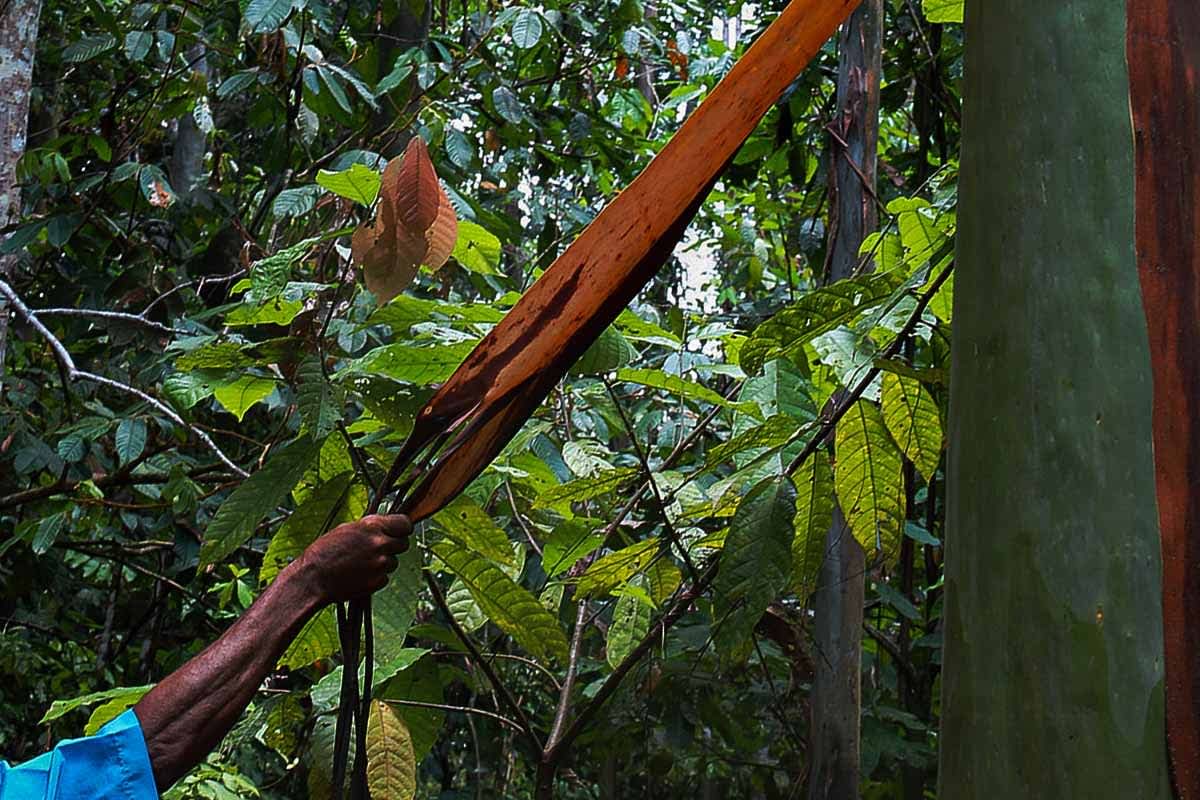
Amazonian tree
A tree that once or twice a year sheds its old bark and reveals a smooth, glossy green surface. In traditional descriptions it also goes by the name Força – strength.
Behind a single tree hides a bark that looks polished, fast growth, and a tradition that made it a symbol of renewal and resilience.
In this article you will learn what Mulateiro looks like, where it grows, what makes it exceptional, what the Yawanawá and Huni Kuin traditions say about it – and what it can teach us.

In this article
Botany
Calycophyllum spruceanum
Latin name
Rubiaceae
coffee family
15–30 m
height
Amazon
home
Mulateiro (Calycophyllum spruceanum) is a tall tree of the Amazon rainforest. It belongs to the Rubiaceae family – the same family as coffee – and grows to roughly 15 to 30 metres.
In Brazil it is known as Mulateiro or Pau-Mulato, in Peru as Capirona. In traditional descriptions the name Força – “strength” – also appears.
It grows in the Amazonian forests of Bolivia, Colombia, Brazil, Ecuador and Peru. A tall trunk with smooth, glossy bark and small white flowers make Mulateiro an easily recognisable tree.
Renewal
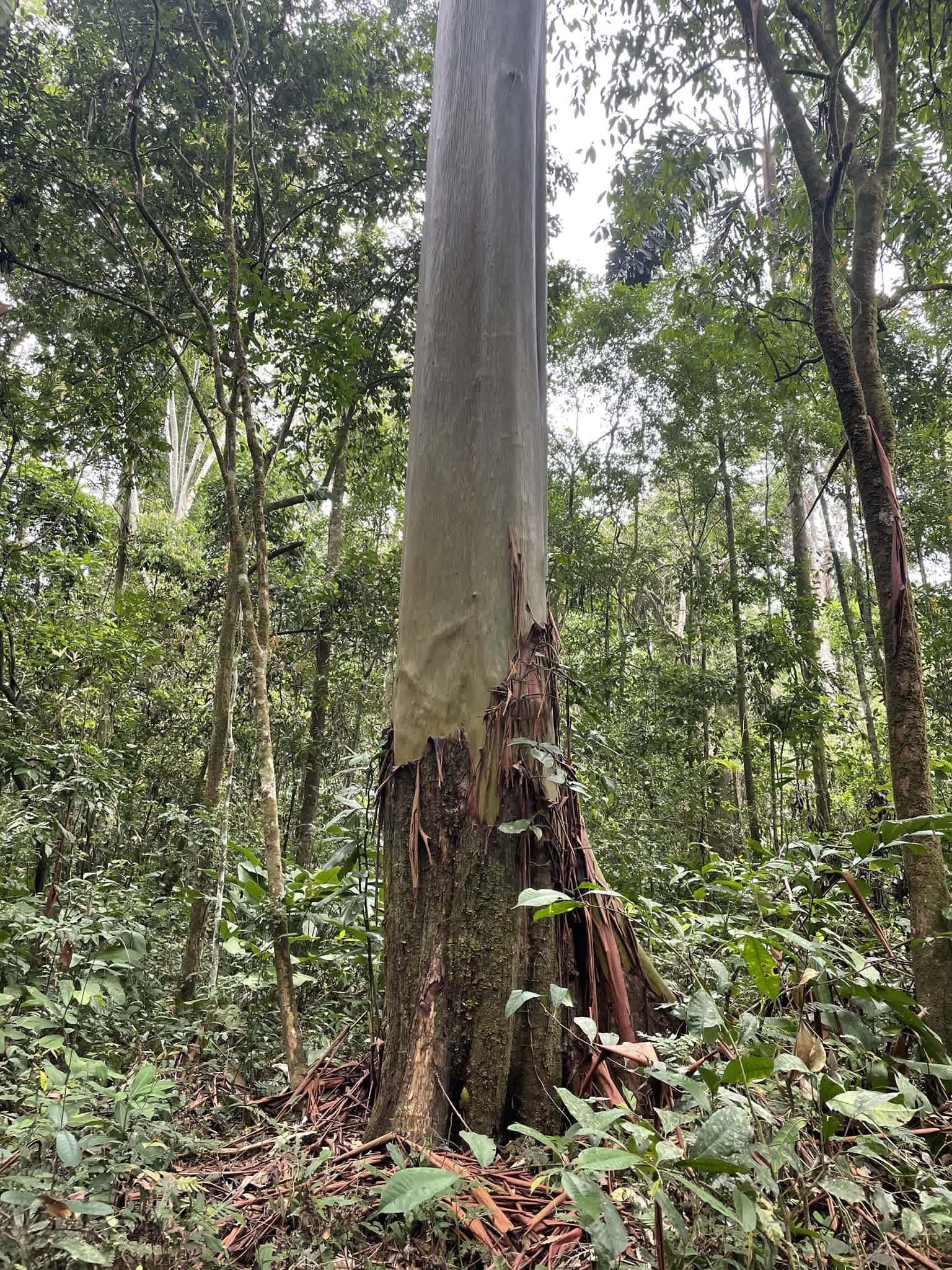
The greatest peculiarity of Mulateiro is its bark. It does not grow into thick, cracked layers like many trees – instead it peels off once or twice a year, revealing a smooth, glossy green surface beneath.
That is why the trunk looks polished. On older trees part of the bark stays on the trunk and the peeling progresses upwards.
According to botanical descriptions the peeling also has a practical purpose: it helps the tree get rid of lichens, fungi, epiphytes and climbing plants. And for us it is a beautiful image that shedding the old skin does not mean losing – it means growing.
Curiosities
1. Coffee family – Mulateiro belongs to the Rubiaceae – it is related to the coffee tree and the cinchona.
2. Named after a botanist – The species name spruceanum refers to the British botanist Richard Spruce, who studied the plants of the Amazon in the 19th century.
3. A growing calyx – The genus Calycophyllum has a calyx that enlarges as the fruit ripens – a trait reflected in the genus name.
4. A small genus – The genus Calycophyllum has only about 12–14 species. Mulateiro is its type species.
5. Five countries – It grows naturally in Bolivia, Colombia, Brazil, Ecuador and Peru.
6. Wood for parquet – The hard wood is used for parquet floors and as construction timber – in the region it is known simply as “mulateiro”.
Ecology
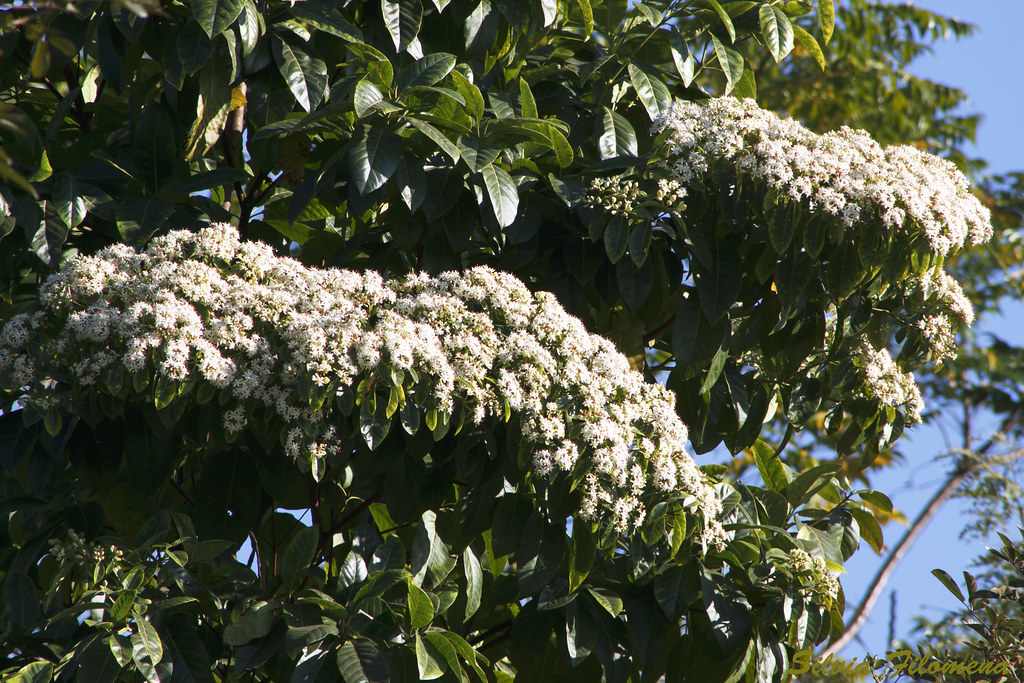
Mulateiro is a typical tree of the floodplains of the western Amazon – riverbanks that the river floods for a while every year. It is a fast-growing tree, though the pace of its growth depends on soil and climate.
The small white flowers usually appear in nature between March and April. The seeds are then spread by wind and water – and the river that floods the floodplain also becomes a path for new trees.
For the forest, Mulateiro matters because it quickly colonises banks and floodplains. It helps to hold a landscape that the river constantly reshapes.
Tradition
According to traditional descriptions, trees have a spirit for the indigenous peoples of the Amazon. The spirit of Mulateiro is associated with renewal of strength, resilience and transformation.
It is said that Amazonian warrior women bathed in a preparation made from the bark on the night of the full moon to stay always young and beautiful – which is why Mulateiro was known among the tribes as the “tree of youth”. Men also drink tea from this tree for virility, strength, endurance and stamina.
The Yawanawá and Huni Kuin of the Brazilian state of Acre each prepare Rapé Mulateiro to their own recipe – so Mulateiro Yawanawá and Mulateiro Huni Kuin differ not only in name but in character. Read more about the peoples: Yawanawá and Huni Kuin.
Traditional descriptions also stress respect when harvesting the bark – the tree is a giver, not a supply, and the relationship with the forest is mutual.
The bark is traditionally used by women for bathing to remain young and beautiful; its anti-aging effect is now explored by modern cosmetic science.
Known for regenerative, anti-fungal, anti-bacterial, anti-parasitic and anti-shock characteristics, and traditionally used for wounds, burns and skin issues – and even for diabetes and skin cancer.
These are traditional and symbolic associations, not guaranteed effects, and not a substitute for medical advice.
He who learns to shed the old bark need not be afraid to grow.
Rapé
Rapé Mulateiro is a strong traditional blend that in tradition is connected with the lower energy centres: the root chakra (grounding), the sacral chakra (renewal and space for growth) and the solar plexus (inner strength and one’s own direction).
The main intentions of the blend are grounding (firmness and stability), cleansing (of the mind and letting go of old patterns) and protection (inner support and determination).
Yawanawá or Huni Kuin?
Both blends come from the bark of the same tree, but each people prepares them to its own recipe and tradition. That is why they differ in character – it is not a “better” and “worse” version, but two different views of one tree.
These are traditional and symbolic associations, not guaranteed effects.
Wisdom
Five lessons from Mulateiro
✦ Let go of what no longer serves you. The tree regularly sheds its bark. We too can ask which habits, beliefs or patterns we have outgrown.
✦ Grow where the bank changes. Mulateiro grows on floodplains that the river reshapes every year. Resilience is born in movement, not in comfort.
✦ Be firm at the core. The wood is hard, the bark smooth. True strength is not loud.
✦ Renewal is a cycle. The bark peels again and again. Change is not a one-off event but a rhythm.
✦ Protect your space. The peeling bark stops lichens and climbers from smothering the trunk. We can guard what smothers us.
Questions to reflect on
✦ What am I willing to let go of today?
✦ Where am I thriving despite the changes around me?
✦ Where do I draw strength from when things are hard?
✦ What is my next small step of growth?
A symbolic interpretation inspired by nature – not a recommendation for use.
FAQ
An Amazonian tree, Calycophyllum spruceanum, from the coffee family (Rubiaceae). It is also known as Força, Capirona or Pau-Mulato.
In Portuguese força means “strength”. The name appears in traditional descriptions of the tree; we have not separately confirmed its use in specific communities.
Its smooth, glossy bark that peels once or twice a year, fast growth and its home in the floodplains of the western Amazon.
From the ash of the Mulateiro bark and other Amazonian herbs. The blend is prepared by the Yawanawá and Huni Kuin, each to their own recipe.
Both blends come from one tree, but different peoples prepare them to their own recipes, so they differ in character.
No. Rapé is an ethnobotanical sample with ceremonial and cultural value. This article is for educational purposes only.
Tips
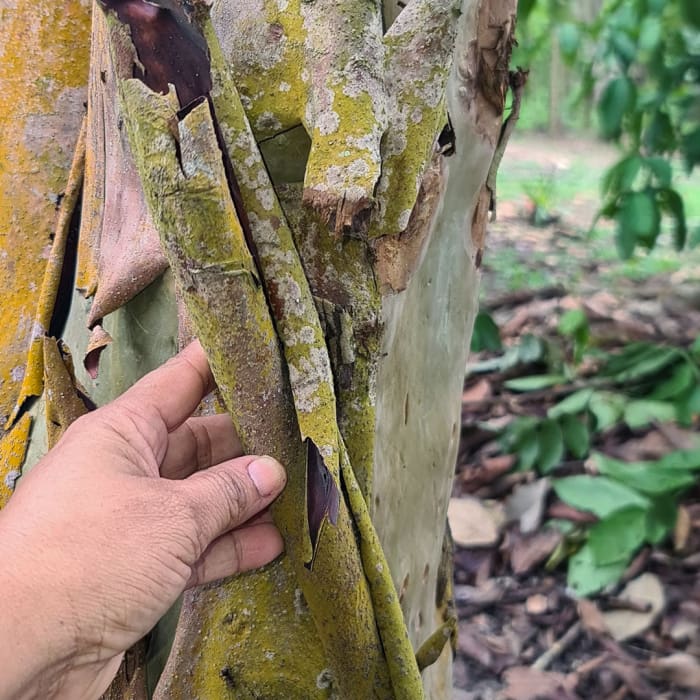
1. How to recognise it – A tall tree with smooth, glossy greenish bark that peels, and small white flowers.
2. Names to look for – Mulateiro, Pau-Mulato, Capirona, Força – under these names you will find the most information about the tree.
3. Ask about origin – With ethnobotanical products it is worth asking which people they come from and who makes them. Origin is part of the story as well as of quality.
4. Read about other trees – Mulateiro is not the only tree with a deep story. See Cumaru or Imburana.
Sources and note
Botanical data (classification, family, occurrence) come from the database Kew – Plants of the World Online and from botanical descriptions of the species Calycophyllum spruceanum and the genus Calycophyllum. Passages about tradition, the name Força and symbolism are traditional and symbolic associations – botanical sources do not confirm them.
A tree that renews itself every year teaches us that it is never too late to start again. Haux e muita alegria!
Similar blends
Write to us and we will be happy to help.
Contact La HerbaHaux e muita alegria!

Ceremoniální kakao je mnohem více než jen horký nápoj. Je to posvátný dar Země, který se po staletí využívá v duchovní praxi a obřadech původních kultur Jižní a Střední Ameriky.
V tradi...
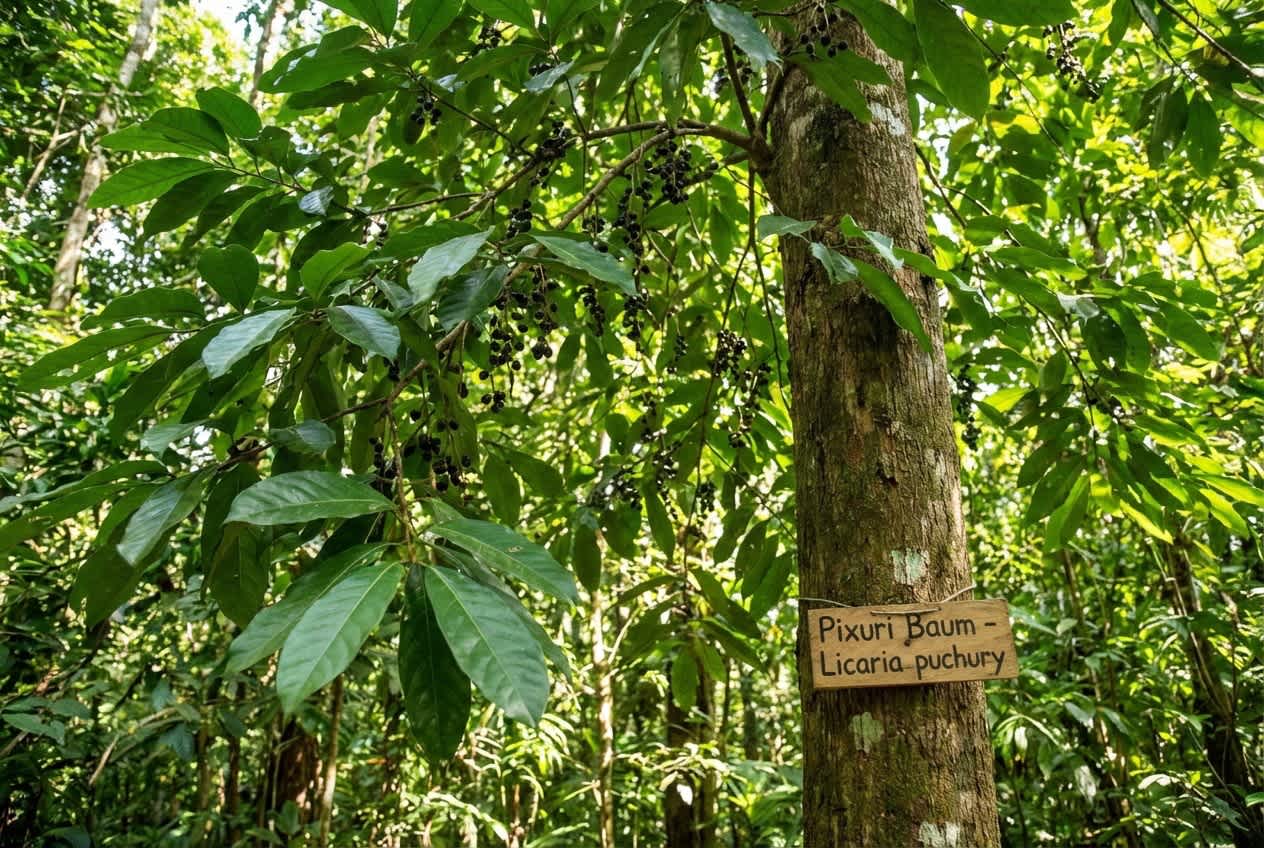
Licaria puchury je strom z čeledi vavřínovité (Lauraceae) z tropických lesů Jižní Ameriky. Je známý zejména svými velkými tmavými semeny, která se v etnobotanice uvádějí pod názvy Pixuri, ...
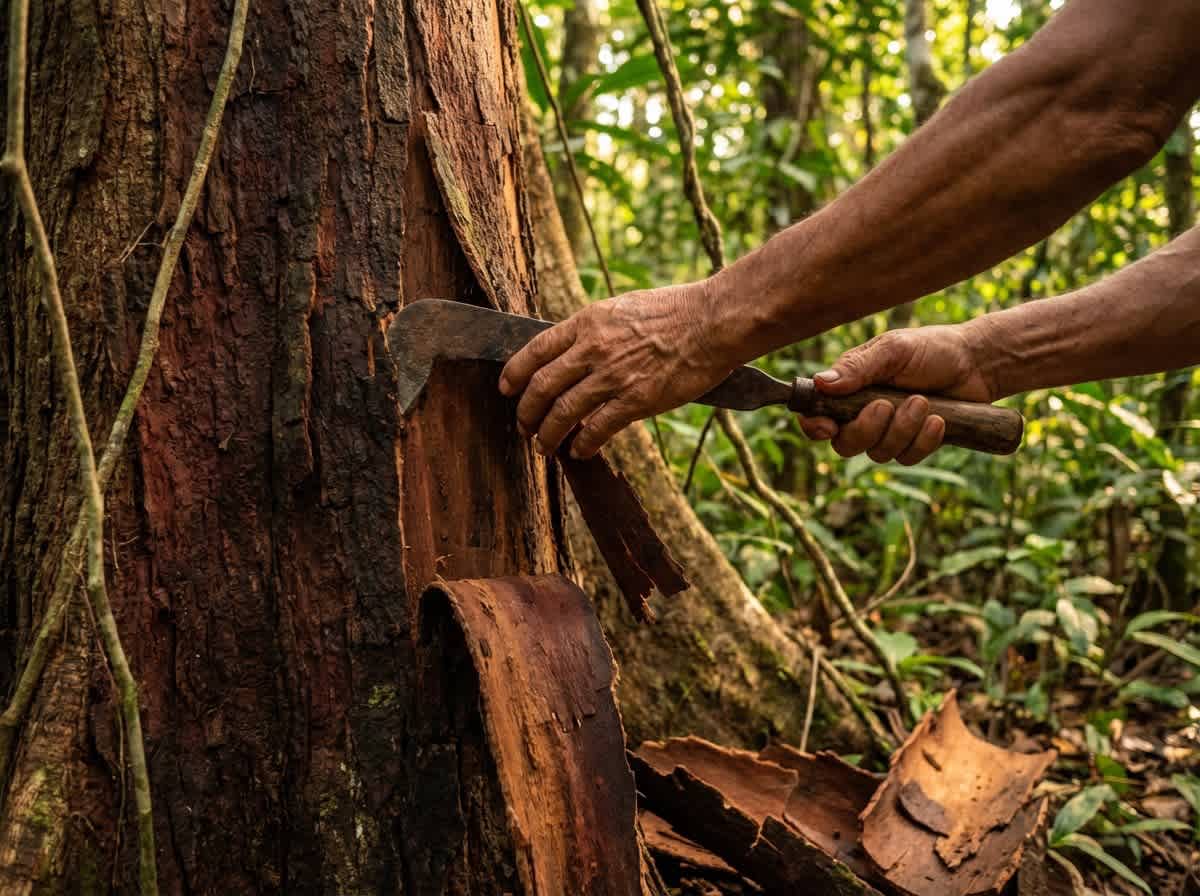
V peruánském Iquitos, Pucallpě či Tarapotu se na trzích a v malých bodegách s plechovými střechami prodávají lahve s tmavě červenou tekutinou. Uvnitř plavou kousky kůry zalité aguardient...
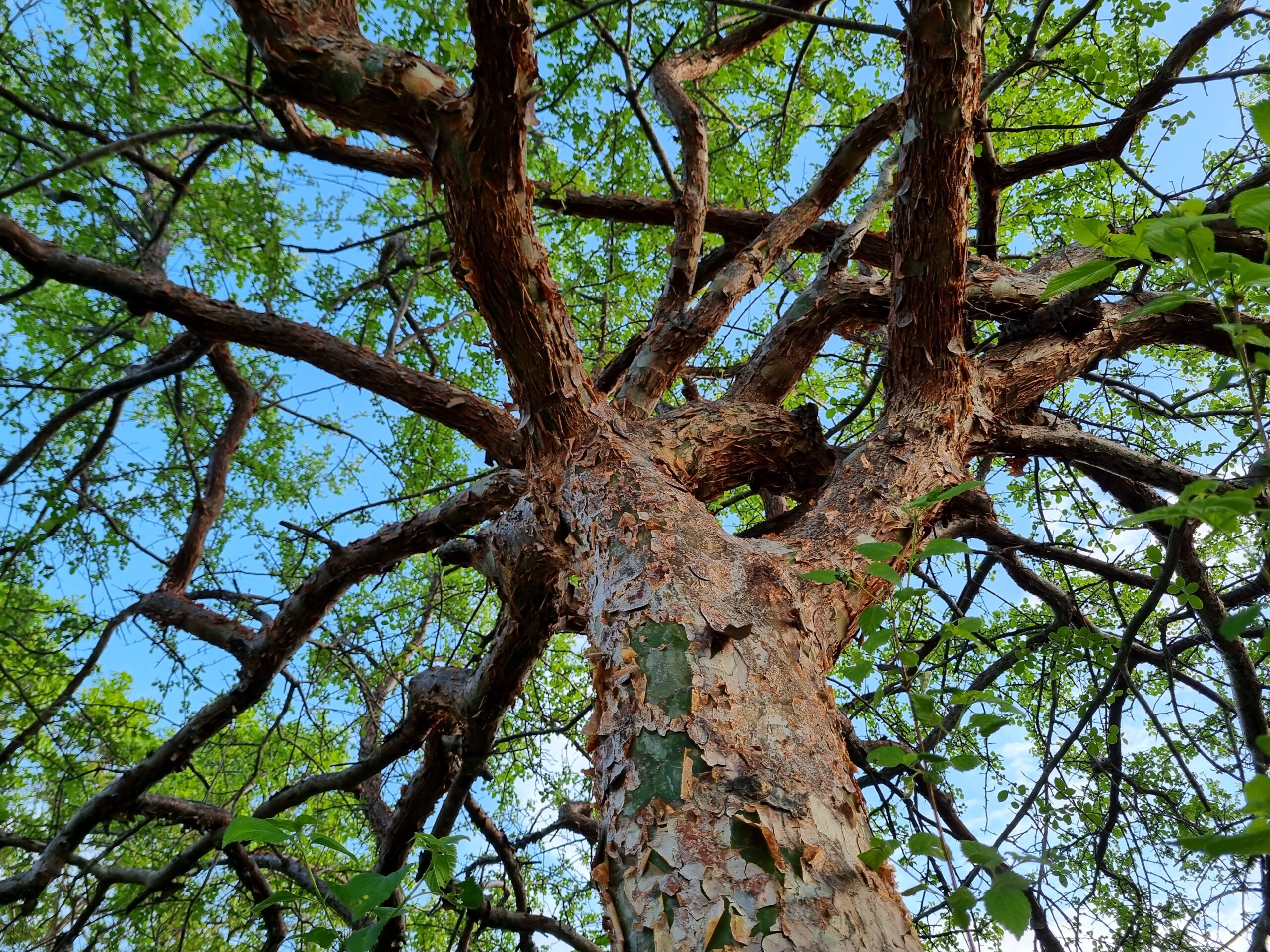
Imburana je strom suchých brazilských krajin, jehož sladká vůně připomíná vanilku. Domorodé kultury ho uctívají po staletí – a v tradici Rapé se pojí se sebeláskou, přijetím a vnitřním klidem...