

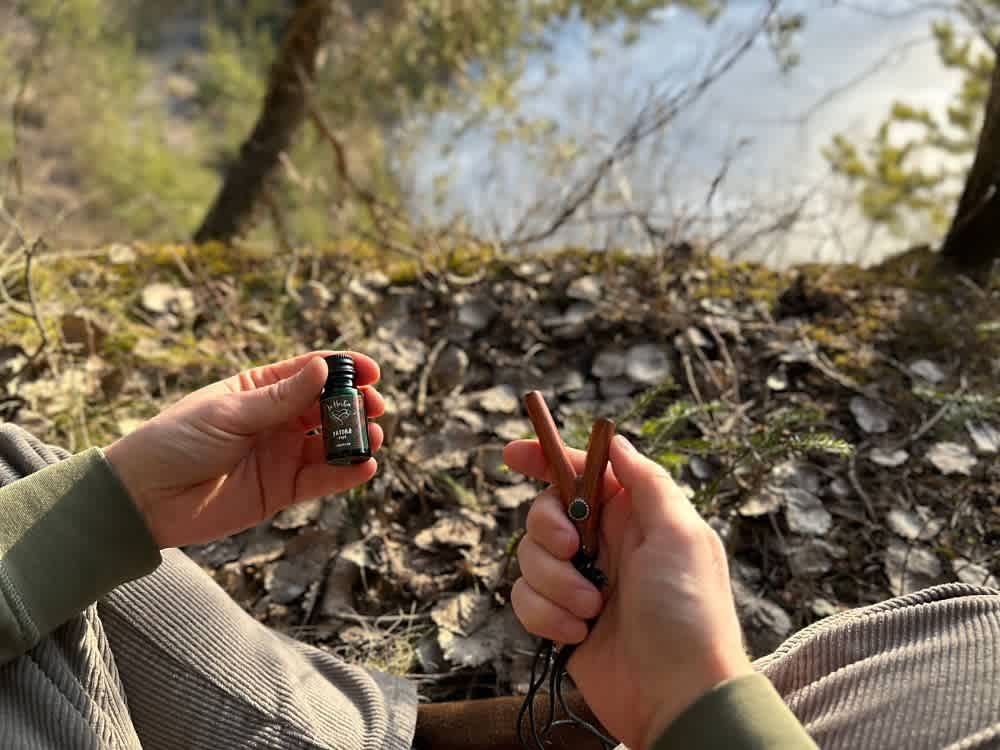
How to Use Rapé: A Step-by-Step Guide
Tradition · Rapé
A calm, intentional ritual as the traditions describe it – from setting an intention to a moment of thanks.
This overview describes how Rapé is traditionally shared among Amazonian peoples. It is a cultural and educational text only — it contains no instructions and is not a recommendation to use Rapé or any other product.
In this article
The tradition
How Rapé is traditionally shared
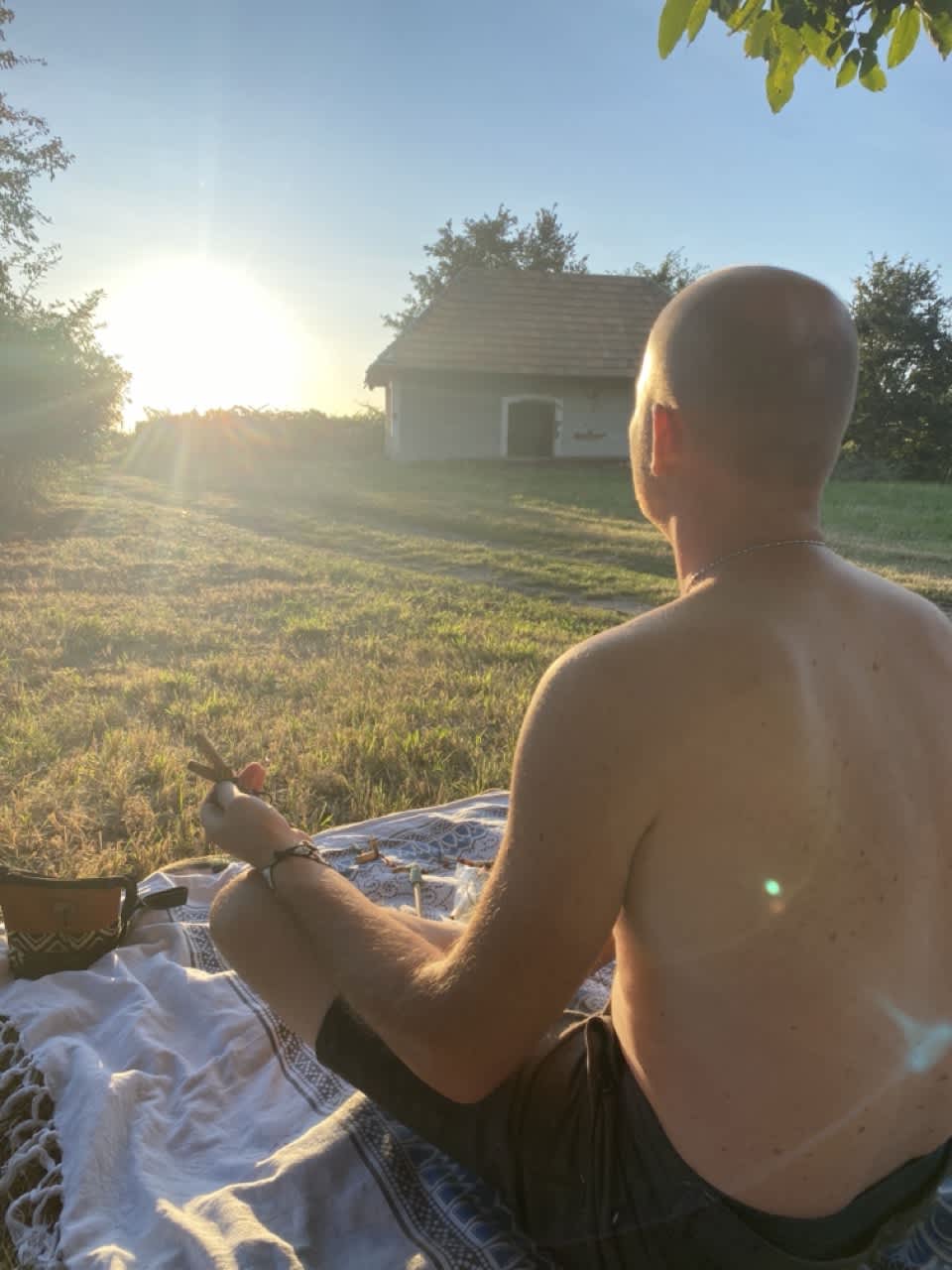
In the traditions that created it, Rapé is blown through a pipe – not casually sniffed – and the whole moment is treated as a small ceremony.
Intention and prayer
Across the communities that use it, the consistent thread is intention. An intention is set or a prayer is made, and the tradition holds that the state of mind of both the giver and the receiver shapes the moment.
Blown through a pipe
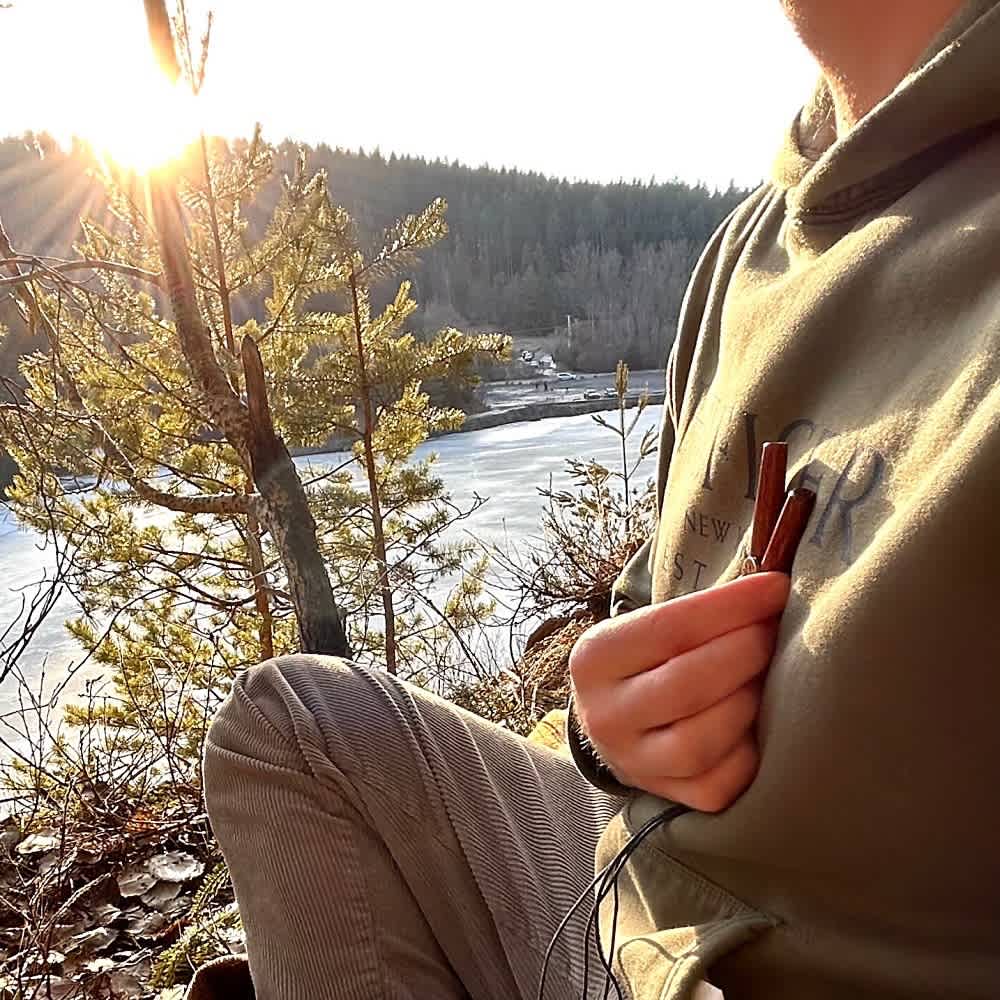
Traditionally Rapé is blown through a small pipe. A Kuripe is associated with self-application and a longer Tepi with one person sharing Rapé with another. Both are handmade traditional instruments.
Two sides, two meanings
In tradition, the two sides carry symbolic meaning – a letting-go on the one hand and a renewal on the other. That is why the ceremony is described as having Hapé on both sides.
Stillness and observation
Afterwards, time is traditionally taken in quiet to observe what happens within, and to let any feelings or emotions that arise be welcomed.
Completion and thanks
The moment is considered complete when those taking part feel complete. A pause for reflection and thanks closes it before the day carries on.
Want to read more about the background? See What is Rapé and the History of Rapé.
Perspective
What practitioners describe
These are personal and cultural descriptions, not claims of any effect and not a recommendation to use.
Within the traditions and contemporary ceremonial communities, people describe a range of impressions: a mild sting at first, a sense of grounding and presence, stillness, clarity, and a feeling of connection with nature and with the tradition itself.
For the peoples who created it, Rapé belongs to a world of meditation, prayer and personal reflection. Experiences are individual, and the tradition treats it with respect and unhurried care.
FAQ
Frequently asked questions
Is this article a guide to using Rapé?
No. It describes how Rapé is traditionally shared in Amazonian cultures. It gives no instructions or amounts and is not a recommendation to use Rapé.
Why does the tradition speak of both sides?
In several traditions, the two sides carry symbolic meaning – a letting-go and a renewal – so the ceremony is described as having Hapé on both.
What is the difference between Kuripe and Tepi?
A Kuripe is a short, V-shaped blowpipe traditionally associated with self-application. A Tepi is a longer blowpipe associated with Rapé being shared by one person with another in a ceremonial setting.
Does Rapé contain nicotine?
Most traditional blends are made with Mapacho tobacco and therefore contain nicotine, which can lead to dependence. Tobacco-free varieties exist, but they are the exception. See our Rapé FAQ for more.
Haux e muita alegria!
Important information
Rapé made with tobacco contains nicotine, can lead to dependence, and is not suitable for minors, pregnant or breastfeeding women, or people with health conditions or taking medication. If in doubt, consult a qualified healthcare professional. Rules for tobacco-containing and plant products differ between countries; checking what applies where you live is the responsibility of the buyer.
Sananga, původ a tradiční použití
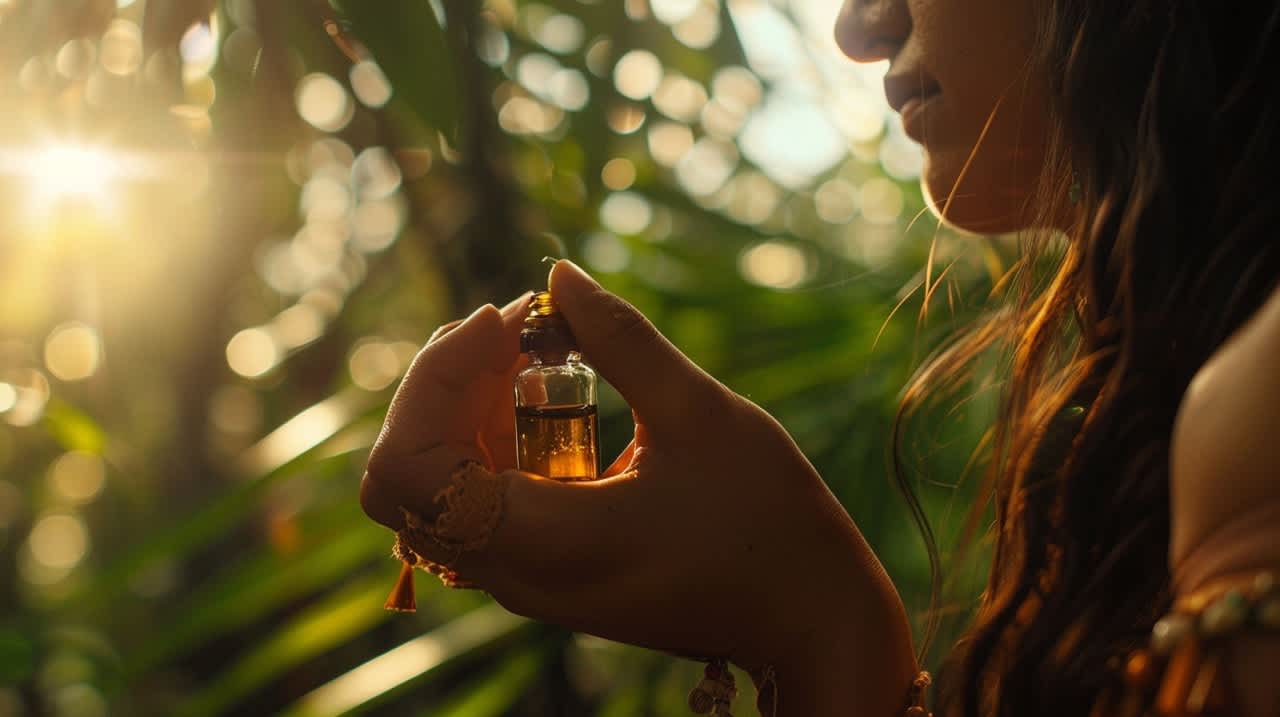
Sananga je tradiční amazonský rostlinný přípravek spojovaný především s kořeny a kořenovou kůrou rostlin rodu Tabernaemontana. V různých tradicích západní Amazonie se objevuje v souvislo...
Pixuri (Licaria puchury) strom

Licaria puchury – major z rodiny Lauraceae. Z tohoto stromu se využívají zejména jeho velká tmavá semena a listy. Semena...
Sakrální čakra a Rapé: cesta k emocím, radosti a tělu

Rapé (hapé) je posvátná amazonská medicína, se kterou pracují domorodé kmeny už stovky let. Na Západě ji vnímáme čím dál více i jako nástroj spojovaný s energetickou prací – symbolickou oči...
Katukina (Noke Koi) kmen

Vnější svět je zná jako Katukina. Oni sami se nazývají Noke Koi – „praví lidé“. Národ, který si navzdory více než stoletému tlaku zvenčí uchoval jazyk, klany i tradiční medicíny.
Na pomez...

